Vernon and Irene Castle
Husband-and-wife dance team who revived modern dancing.

Vernon and Irene Castle · Public domain
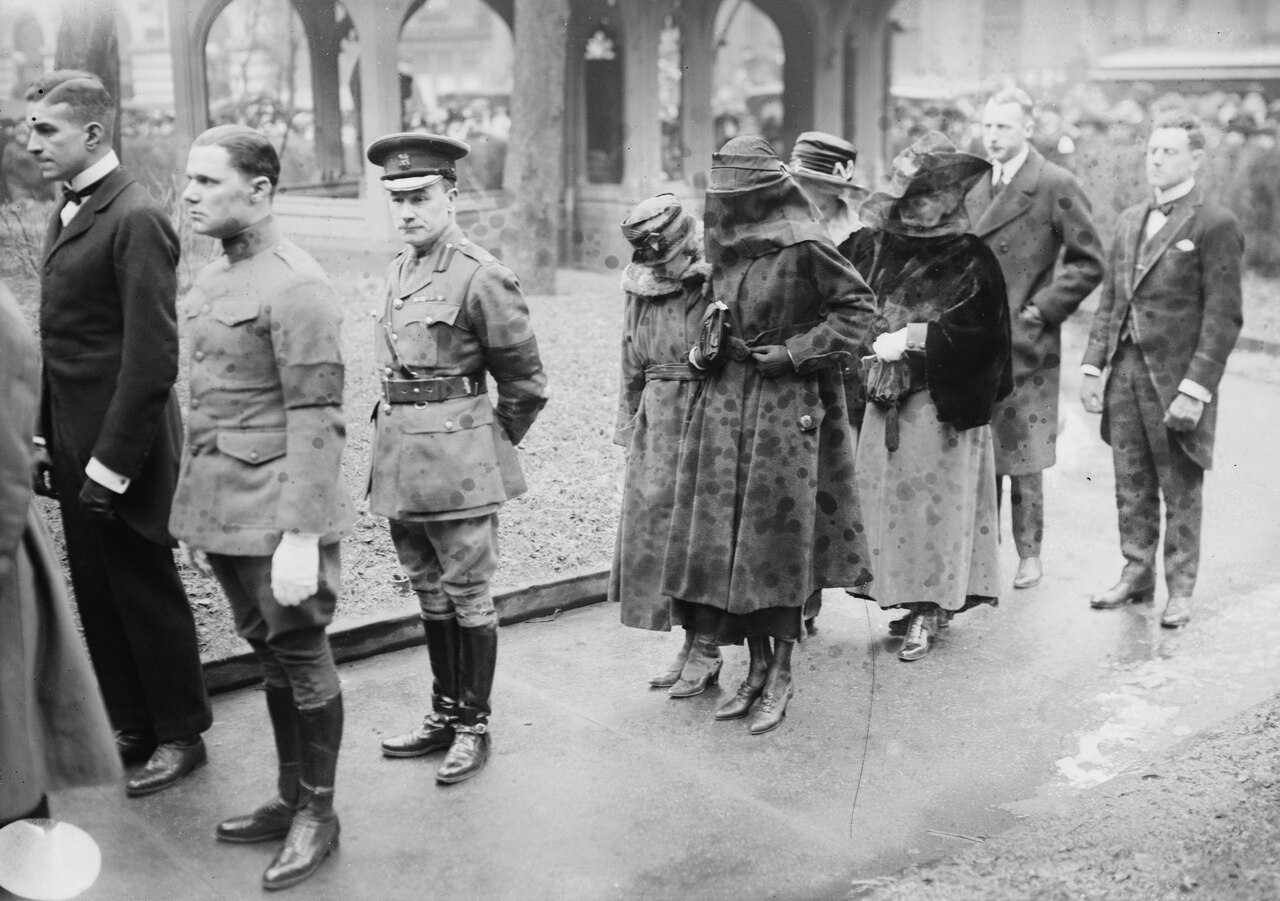
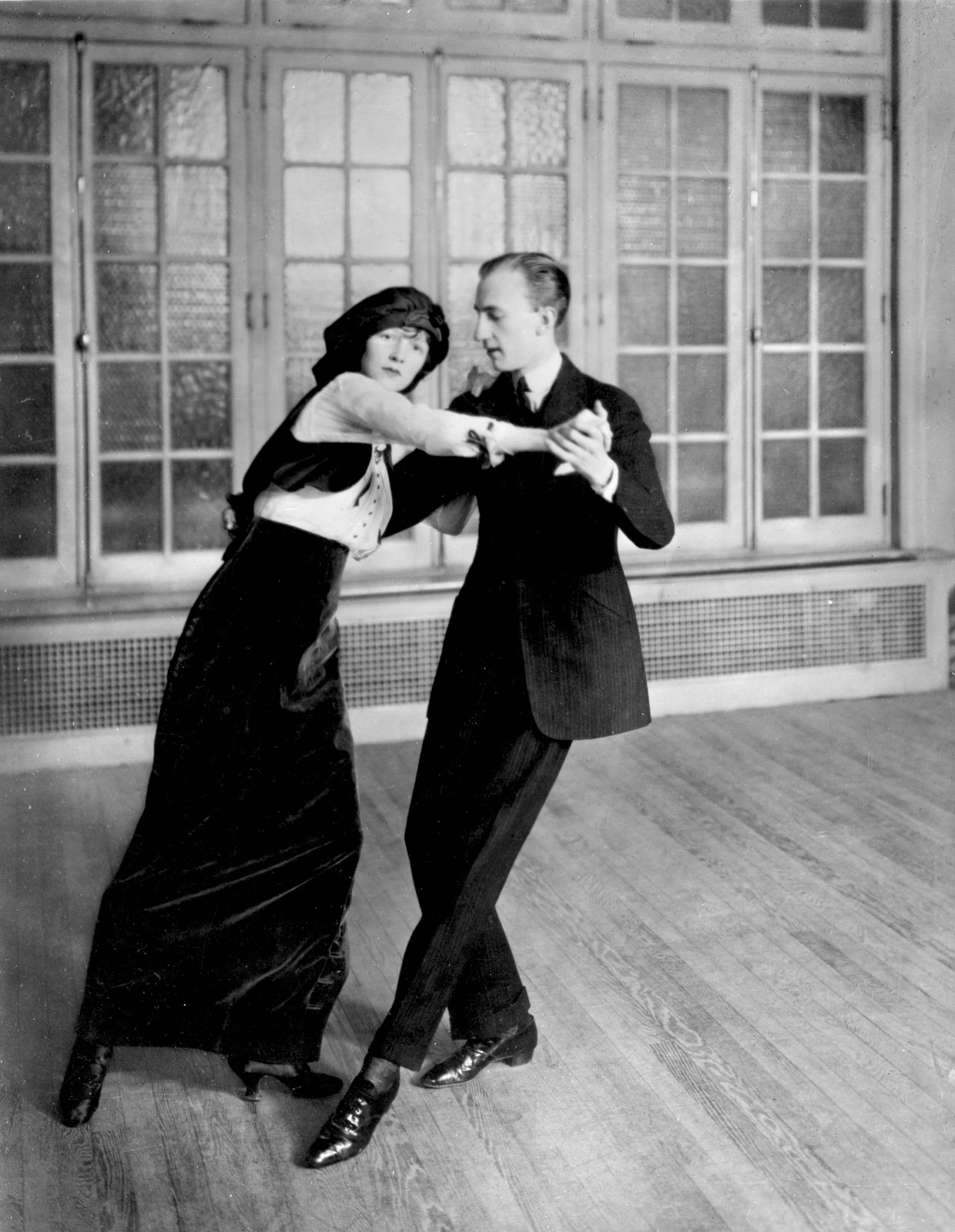
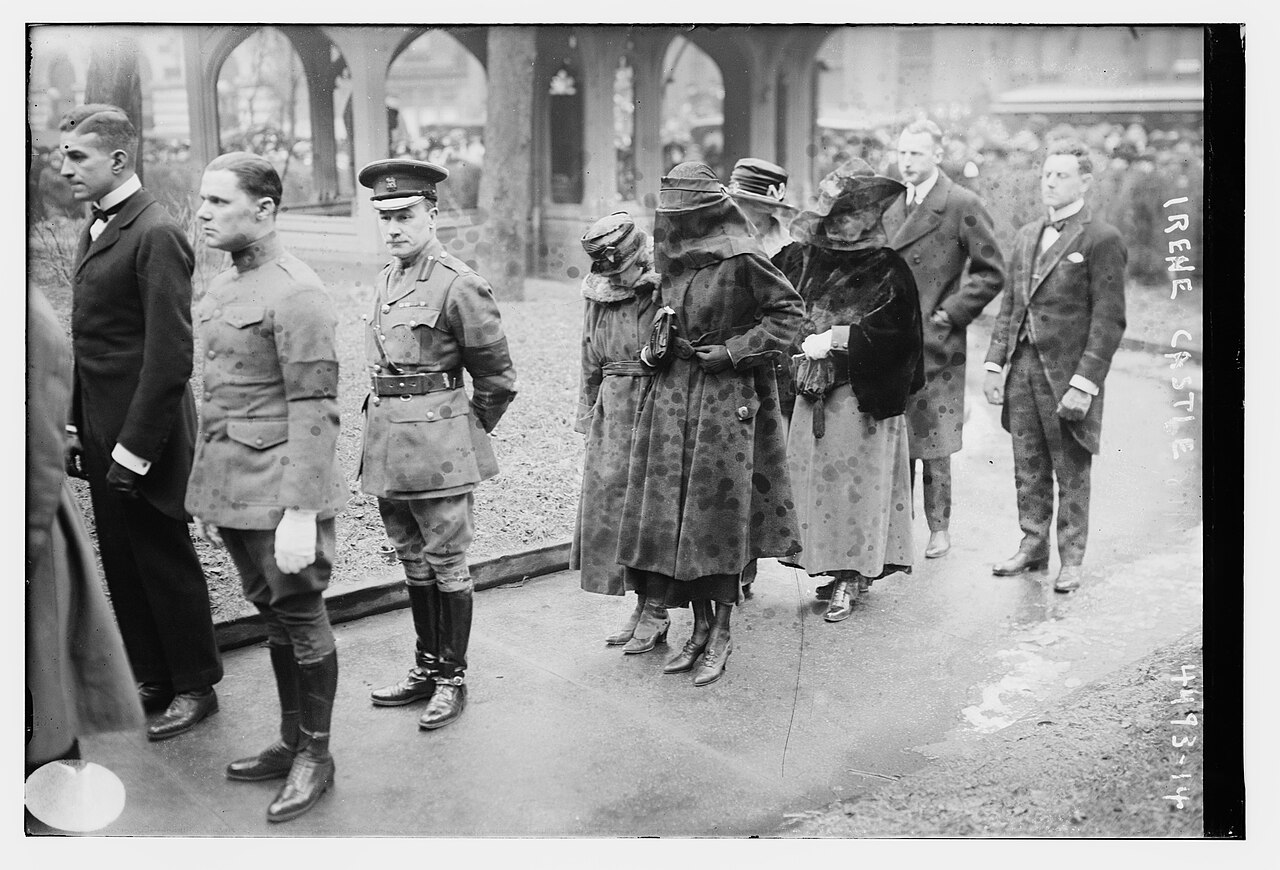
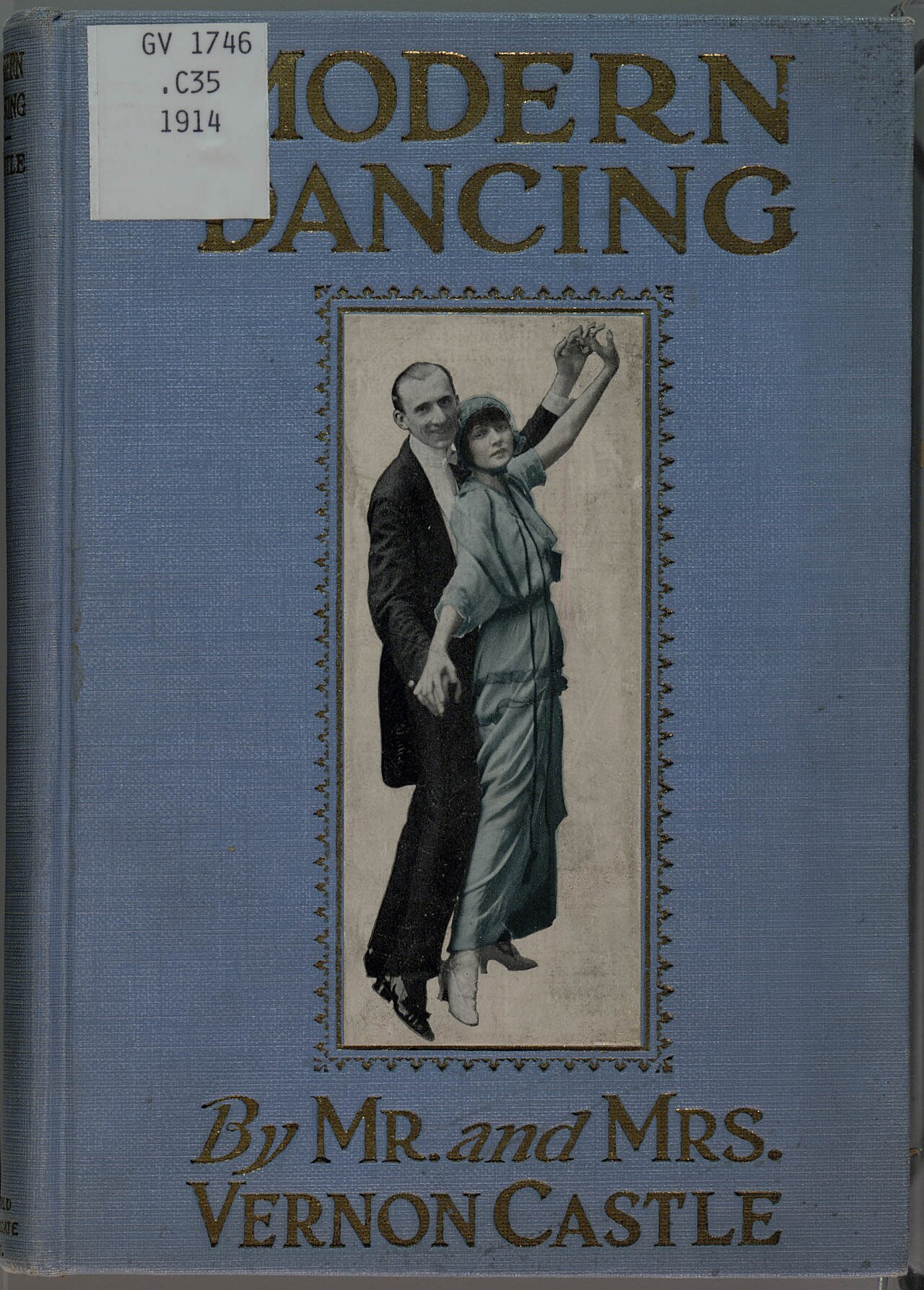
Vernon and Irene Castle were a husband-and-wife team of ballroom dancers and dance teachers who appeared on Broadway and in silent films in the early 20th century. They are credited with reviving the popularity of modern dancing. They helped to promote ragtime, jazz rhythms and African-American music for dance.
- field
- Ballroom dance, silent film, dance instruction
- nationality
- Vernon: English; Irene: American
- known_for
- Reviving modern dancing, popularizing the foxtrot, influencing fashion
Lore & Background
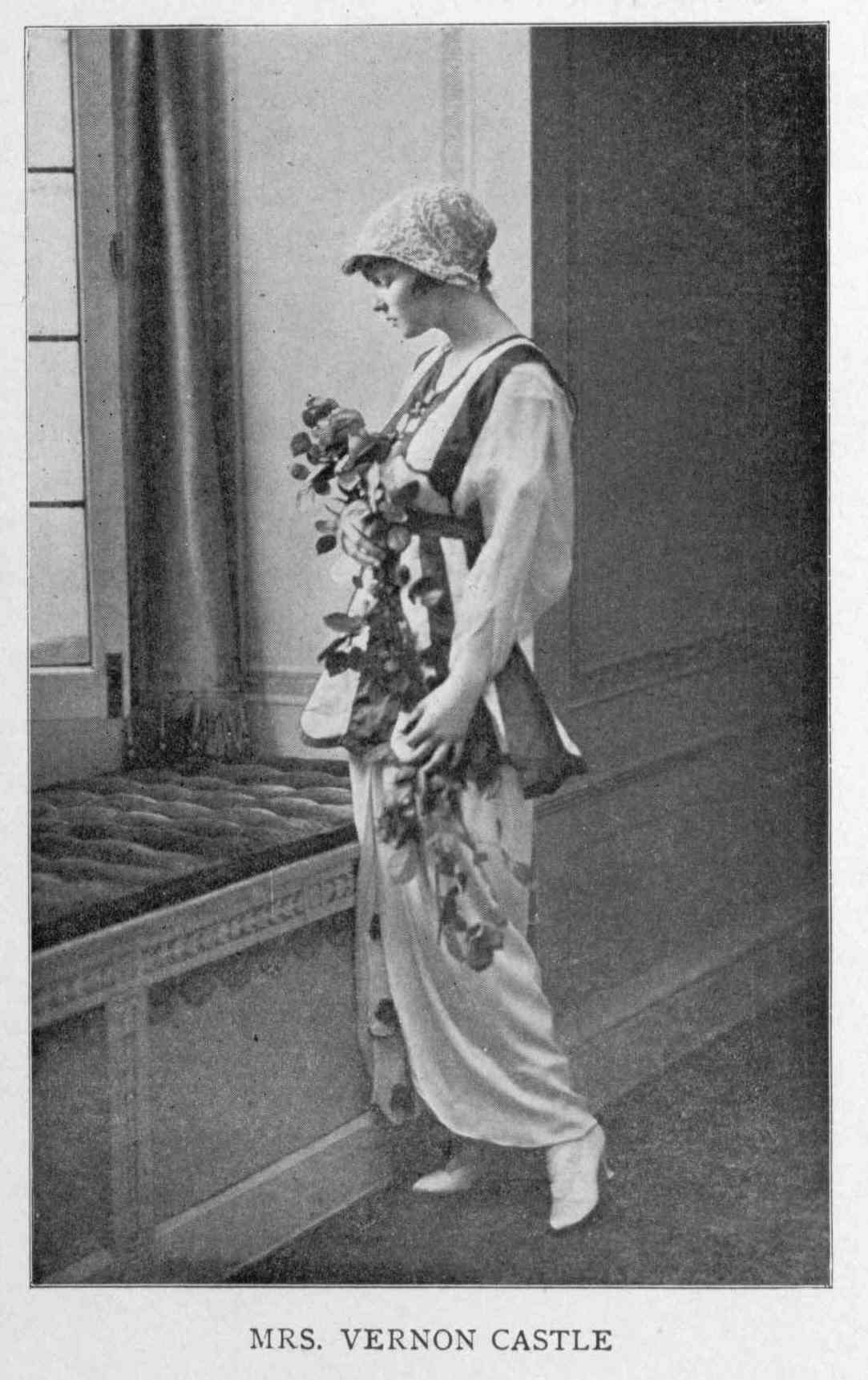
He gained stage work under Lew Fields and became known as a comic actor, singer, dancer and conjuror, specializing in playing a gentleman drunk. They taught New York society and performed at their venues, often charging a thousand dollars an hour for private lessons. Irene became a major fashion trendsetter, initiating shorter skirts, loose corsets, and the bob hairstyle. The couple traveled with James Reese Europe's Society Orchestra and had an openly lesbian manager, Elisabeth Marbury. Irene continued performing solo in Broadway, vaudeville, and motion pictures for the next decade, remarried three times, had children, and became an animal welfare activist.
Reader's Guide
They helped remove the stigma of vulgarity from close dancing and promoted ragtime and jazz rhythms among well-heeled whites, thereby advancing African-American music. Irene Castle's influence on fashion—introducing shorter skirts, loose corsets, and the bob hairstyle—made her a trendsetter whose style was featured in Vogue and Harper's Bazaar. The Castles also pioneered the use of a black orchestra, James Reese Europe's Society Orchestra, and had an openly lesbian manager, reflecting progressive social attitudes. Their legacy endures as a model of a harmonious married couple in dance, and their story was later immortalized in film. Vernon's wartime service and death added a tragic dimension, while Irene's subsequent solo career and activism extended their cultural impact.
Did You Know?
- The Castles traveled with an openly lesbian manager, Elisabeth Marbury.
- Vernon Castle was awarded the Croix de Guerre for his service as a pilot in the Royal Flying Corps.
- The foxtrot was introduced later by Harry Fox and was not popularized in Watch Your Step.
From Omaha to the Vaudeville Stage
Frederick Austerlitz was born in Omaha, Nebraska, on May 10, 1899, to parents shaped by European migration. His mother Johanna, daughter of Lutheran German immigrants from East Prussia and Alsace, dreamed of escaping the small Midwestern city through her children's performing gifts. His father Fritz, from Linz in the Austro-Hungarian Empire, had arrived at Ellis Island in 1893 seeking brewing work and found a position at the Storz Brewing Company. When that job vanished, the family relocated to New York in January 1905 to pursue show business. Johanna, uncomfortable with a surname evoking a Napoleonic battle, pushed for the stage name Astaire. Their debut act, billed as an 'Electric Musical Toe-Dancing Novelty,' opened in Keyport, New Jersey, in November 1905. Fred, given a top hat to look taller, wore tails in one half and a lobster costume in the other. A local paper hailed them as the greatest child act in vaudeville, and the Orpheum Circuit carried them through the Midwest and West. A two-year hiatus followed as Adele outgrew her brother and child-labor restrictions tightened. By fourteen, Fred managed the act's musical duties, and a 1916 encounter with a young George Gershwin reshaped both their artistic paths.
Broadway, London, and the Birth of an 'Outlaw' Style
The Astaires broke onto Broadway in 1917 with Over the Top, a patriotic revue, and performed for American and Allied troops during the war years. Critic Heywood Broun, reviewing The Passing Show of 1918, singled Fred out in a night full of strong dancing, noting that he and Adele made the show pause with a beautiful, loose-limbed number. In the partnership, Adele brought intuitive flair while Fred supplied the meticulous planning behind choreography and production logistics. He felt his own talent was overshadowed by his sister's and devoted himself to elevating her performance. By the late 1920s, however, he began forging a distinctly personal vocabulary of movement. Drawing on tap, classical technique, and the elevated ballroom style popularized by Vernon and Irene Castle, he blended these sources into something unpredictable and instinctive. He dubbed this eclectic approach 'outlaw style,' describing it as a following of a restless, intuitive muse. The result left a deep imprint on the American Smooth tradition of ballroom dancing, and his trademark fluidity became a reference point for generations of dancers who came after him.
Hollywood's Golden Age and the Rogers Partnership
Astaire's fame reached its zenith in the classic Hollywood era, where he formed a legendary dancing partnership with Ginger Rogers. Together they co-starred in ten musicals, including Top Hat (1935), Swing Time (1936), and Shall We Dance (1937), films that defined the genre at its peak. His stardom continued to grow through Holiday Inn (1942), Easter Parade (1948), The Band Wagon (1953), and the 1957 pair Funny Face and Silk Stockings. Even in his later years, he remained a compelling screen presence. In 1974 he appeared in Irwin Allen and John Guillermin's disaster film The Towering Inferno, earning his only competitive Academy Award nomination for Best Supporting Actor. That same role brought him the Golden Globe for Best Supporting Actor and the BAFTA for Best Actor in a Supporting Role. Across a career spanning seventy-six years in stage, film, and television, Astaire demonstrated that dance could anchor a narrative as powerfully as dialogue, and that a performer's physical grace could sustain a career across multiple generations of audiences.
A Legacy Measured in Honors and Influence
Frequently described as the greatest dancer in popular music history, Astaire collected an extraordinary array of honors over his lifetime. He received an Honorary Academy Award in 1950, the Golden Globe Cecil B. DeMille Award in 1960, and a star on the Hollywood Walk of Fame that same year. The American Theatre Hall of Fame inducted him in 1972, the Film Society of Lincoln Center paid tribute in 1973, the Kennedy Center Honors recognized him in 1978, and the AFI Life Achievement Award followed in 1980. He was enshrined in the Television Hall of Fame in 1989. His competitive accolades included three Emmy Awards, three Golden Globe Awards, a Grammy, and a David di Donatello. In 1999, the American Film Institute ranked him the fifth-greatest male star of Classic Hollywood cinema in its 100 Years…100 Stars list. Beyond trophies, his lasting contribution lies in the way his fluid, instinctive movement reshaped the American Smooth ballroom tradition and set a standard that dancers and choreographers continue to reference.
Gallery
Frequently Asked Questions
What role did Vernon and Irene Castle play in dance history?
They are widely credited with reviving interest in modern social dancing and are especially associated with popularizing the foxtrot. Their work also brought ragtime, jazz rhythms, and African-American musical styles into mainstream ballroom culture.
Why are Vernon and Irene Castle important?
They transformed social dancing from a niche activity into a mass cultural phenomenon and helped reshape 1920s fashion around the new dance styles. Their influence extended well beyond the dance floor into music, entertainment, and popular culture at large.
More in Dancers And Choreographers 25-29
Elsewhere in the Dancers And Choreographers universe
Spotted an error? Know more?
This is a living reference — every entry is fact-audited, and reader corrections feed straight into our audit queue. Suggest an edit · See this site's audit record