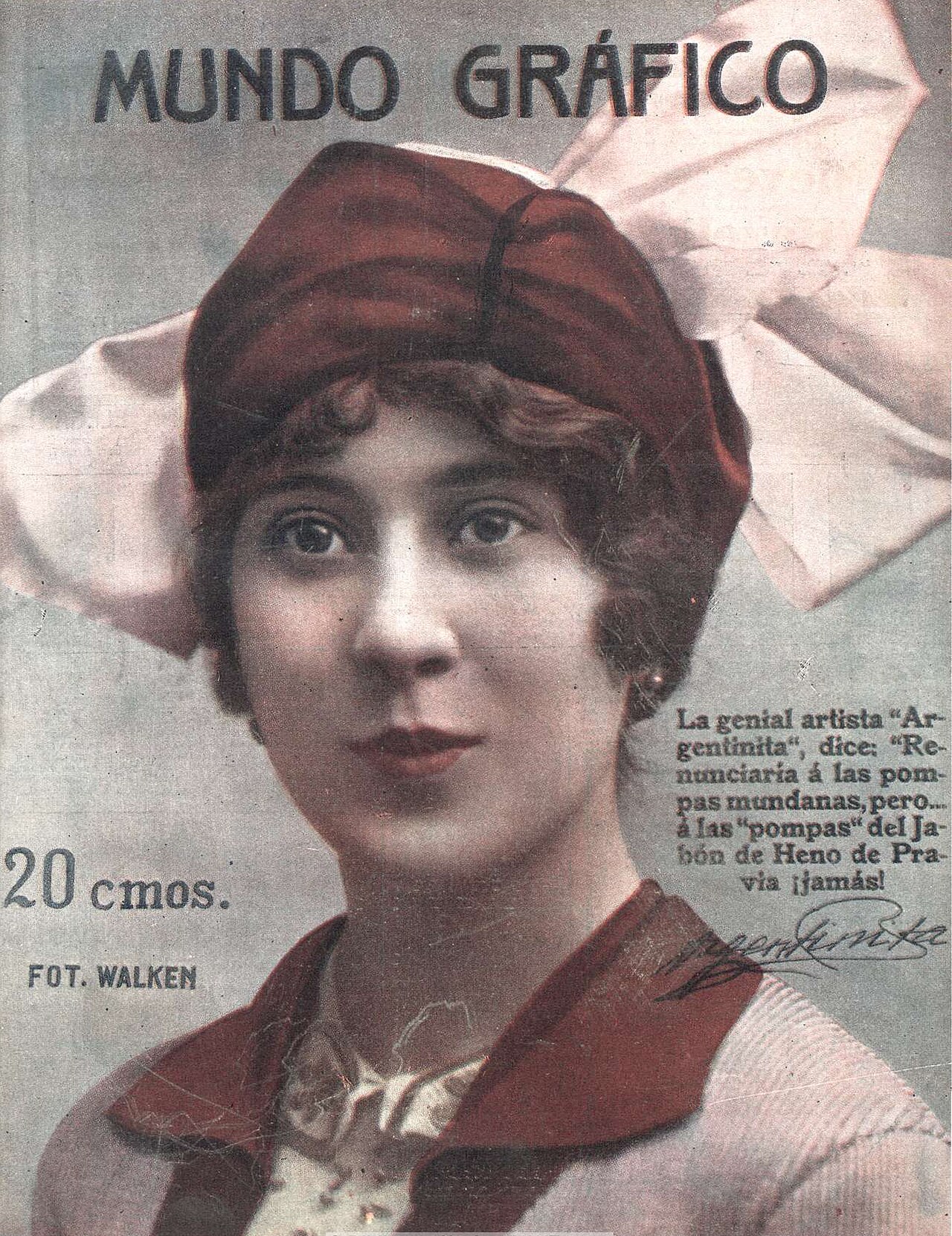
La Argentinita
Spanish-Argentine flamenco dancer and choreographer of the Generation of '27.

José Calvache "Walken" · Public domain
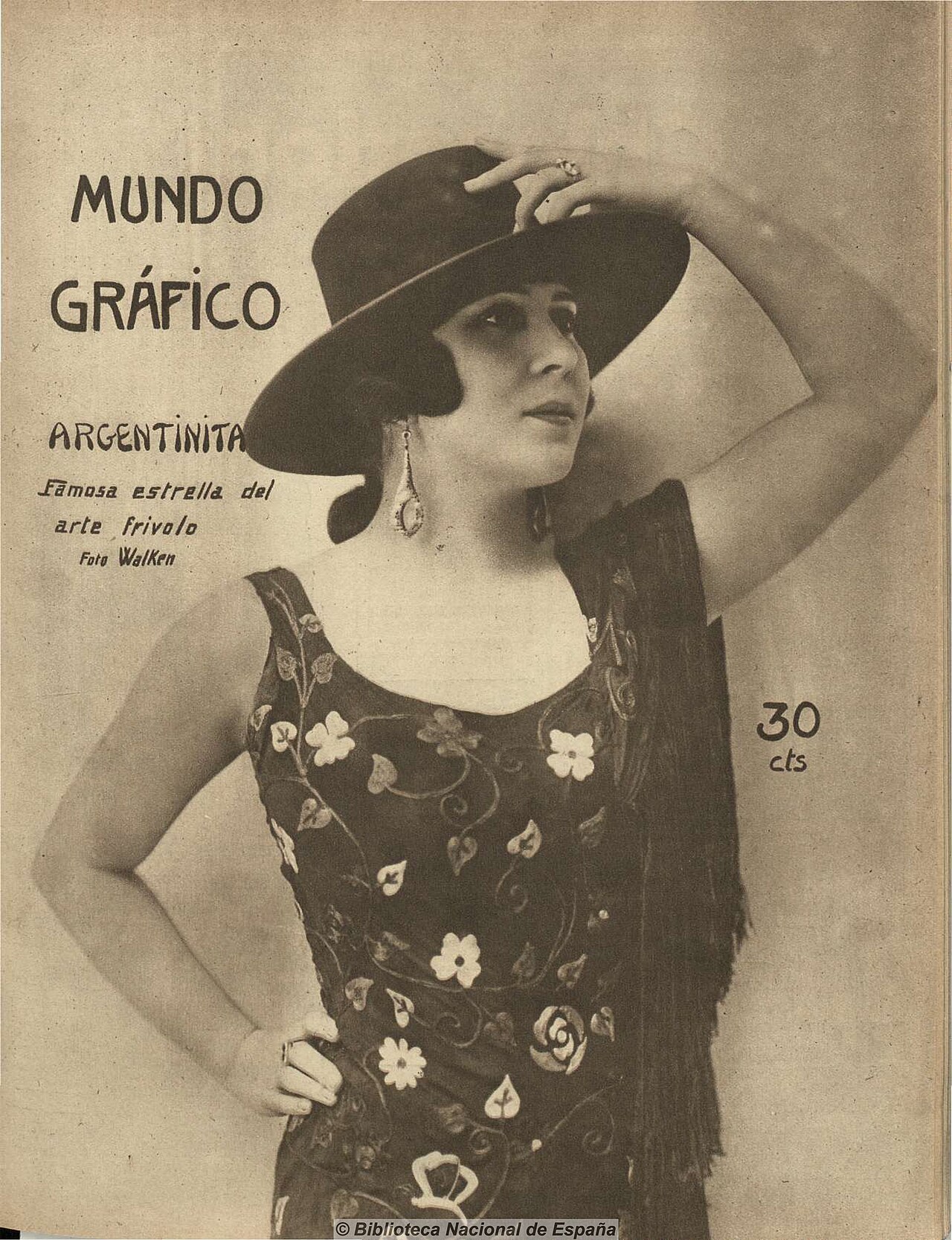
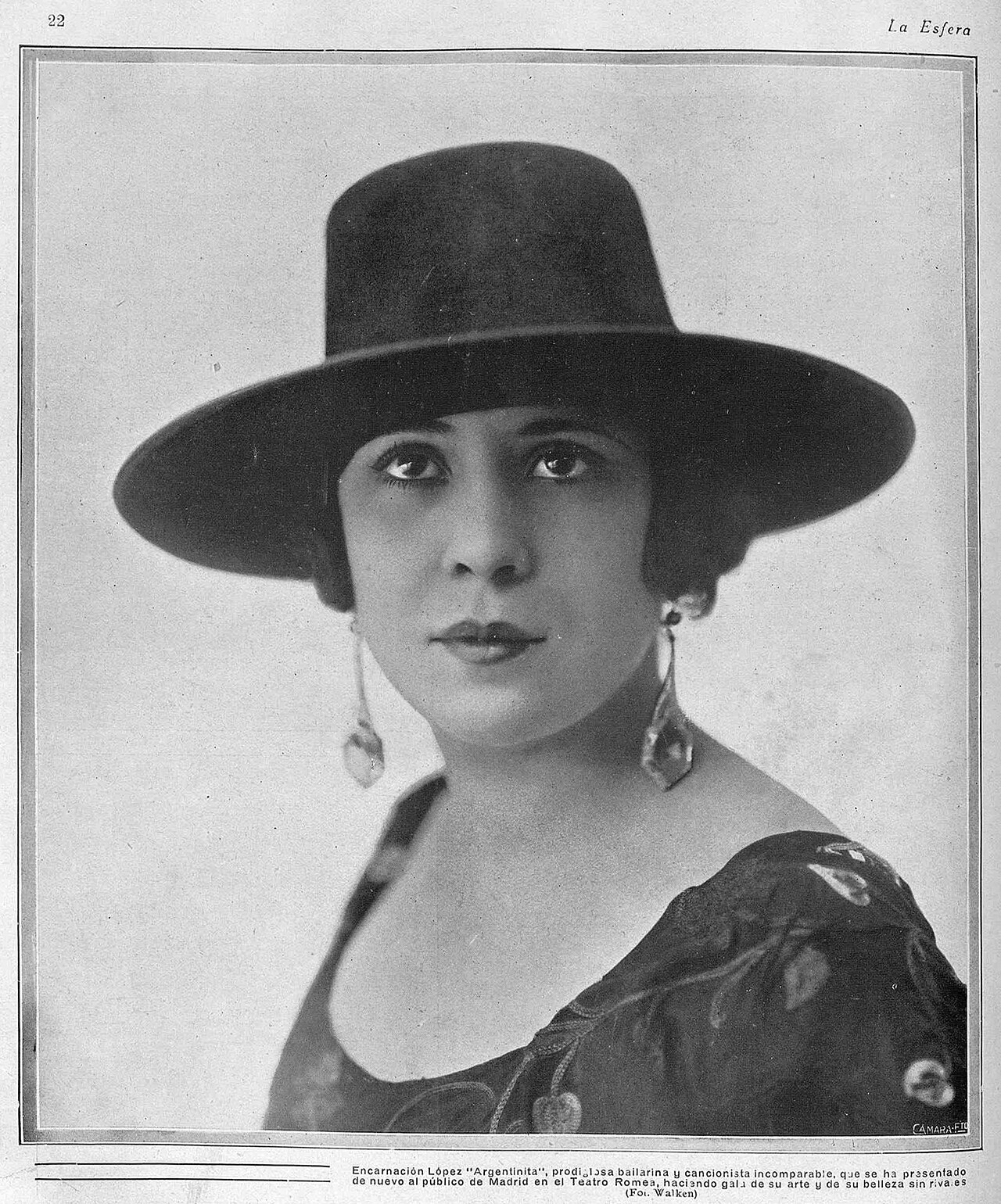
Encarnación López Júlvez (March 3, 1898 – September 24, 1945), known by her stage name La Argentinita, was a Spanish-Argentine flamenco dancer, choreographer, and singer. She was considered one of the highest expressions of this art form during her time.
- born
- March 3, 1898, Buenos Aires, Argentina
- died
- September 24, 1945, New York, United States
- field
- Flamenco dance, choreography, singing
- nationality
- Spanish-Argentine
- known_for
- Flamenco dance, collaboration with Federico García Lorca, Ballet Español develop
Verified Timeline
Lore & Background
Encarnación López Júlvez was born on March 3, 1898, in Buenos Aires, Argentina, to Spanish immigrants. After two of her siblings died in a scarlet fever epidemic, she was brought to the north coast of Spain in 1901, where she began learning Spanish regional dances. At age four, she started learning flamenco from Julia Castelao. Her first public performance was at age eight at the Teatro-Circo de San Sebastián in the Basque Country. She chose the name 'La Argentinita' in deference to the famous flamenco dancer Antonia Mercé (La Argentina). After traveling throughout Spain as a child prodigy, she settled in Madrid to perform at Teatro La Latina, Teatro de la Comedia, Teatro de La Princesa, Teatro Apolo, and Teatro Príncipe Alfonso. Her success led her to tour Barcelona, Portugal, Paris, and Latin America. In the early 1920s, she returned to Spain and worked in Madrid. Among her early performances was the 1920 premiere of Federico García Lorca's musical play *El maleficio de la mariposa* as 'the Butterfly.' She announced her retirement in 1926 but quickly returned as part of the artistic renewal that led her to the Generation of '27, combining flamenco, tango, bulerías, and boleros. She danced to compositions by Manuel de Falla, Joaquín Turina, Isaac Albéniz, Enrique Granados, and Maurice Ravel, and helped develop Ballet Español.
Reader's Guide
La Argentinita's significance lies in her role as a central figure in the flamenco revival of the early 20th century, particularly through her association with the Generation of '27. She collaborated with poet and playwright Federico García Lorca, recording five gramophone records in 1931, later released as *Colección de Canciones Populares Españolas*, which included songs like 'Los cuatro muleros,' 'Zorongo gitano,' 'Anda Jaleo,' and 'En el Café de Chinitas.' With the beginning of the Second Spanish Republic, she formed her own ballet company, Bailes Españoles de la Argentinita, with her sister Pilar López Júlvez and García Lorca, staging works such as *El amor brujo* (1933) and *Las Calles de Cádiz* (1933 and 1940). Her company included flamenco figures Juana la Macarrona, La Malena, Fernanda Antúnez, Rafael Ortega, and Antonio de Triana. After her lover, bullfighter Ignacio Sánchez Mejías, was gored to death in 1934, she moved to Buenos Aires to dance at the Teatro Colón, then embarked on a long American tour. In 1936 she achieved success in New York. Forced into exile by the Spanish Civil War, she traveled through Morocco, France, the UK, the Netherlands, Belgium, and the US, settling in New York. In 1943 she presented *El Café de Chinitas* at the Metropolitan Opera House, with her own choreography, texts by García Lorca, scenery by Salvador Dalí, and orchestra directed by José Iturbi. Her last performance was on May 28, 1945, at the Metropolitan, performing *El Capricho Español*. She died from an abdominal tumor on September 24, 1945, having refused surgery to continue dancing. Her body was repatriated to Spain in December and buried in the Spanish capital. A plaque at the Metropolitan Opera House honors her merits in culture.
Did You Know?
- She chose the stage name 'La Argentinita' in deference to the famous flamenco dancer Antonia Mercé (La Argentina).
- At age four, she began learning flamenco from Julia Castelao, and her first public performance was at age eight at the Teatro-Circo de San Sebastián.
- In 1931, she and Federico García Lorca recorded five gramophone slate records, later released as *Colección de Canciones Populares Españolas*.
- Her lover, bullfighter Ignacio Sánchez Mejías, was gored to death in 1934 in the Manzanares bullring.
- Her last performance was on May 28, 1945, at the Metropolitan Opera House, performing *El Capricho Español* by Nikolai Rimsky-Korsakov.
Roots in Two Worlds
Encarnación López Júlvez entered the world on March 3, 1898, in Buenos Aires, the daughter of Spanish immigrants who ran a fabric business. Her childhood in Argentina was marked by tragedy when a scarlet fever epidemic claimed the lives of two of her siblings. In 1901, the family relocated to the northern coast of Spain, where the young Encarnación began absorbing regional dance traditions. By the age of four, she was already studying flamenco under the tutelage of Julia Castelao, and by eight she had already taken the stage at the Teatro-Circo de San Sebastián in the Basque Country. Her choice of the stage name "La Argentinita" was a deliberate nod to the legendary dancer Antonia Mercé, known as La Argentina, signaling both her Argentine origins and her artistic lineage. After touring Spain as a child prodigy, she established herself in Madrid, performing at prestigious venues including Teatro La Latina, Teatro de la Comedia, Teatro de La Princesa, Teatro Apolo, and Teatro Príncipe Alfonso.
The Generation of '27 and Artistic Fusion
Her initial retirement in 1926 proved short-lived, as she re-emerged at the center of a vibrant artistic renewal that connected her to the Generation of '27. This period saw her fuse flamenco with tango, bulerías, and boleros, while dancing to the compositions of Manuel de Falla, Joaquín Turina, Isaac Albéniz, Enrique Granados, and Maurice Ravel. She became a key figure in the development of Ballet Español and moved in the same artistic circles as poets Rafael Alberti, Federico García Lorca, Edgar Neville, and Ignacio Sánchez Mejías. In 1931, she and Lorca recorded five gramophone records of Spanish popular songs he had transcribed and harmonized, including "Los cuatro muleros" and "En el Café de Chinitas." With the arrival of the Second Spanish Republic, she co-founded her own ballet company, Bailes Españoles de la Argentinita, alongside her sister Pilar and Lorca. The company staged productions such as an adaptation of Falla's El amor brujo in 1933 and Las Calles de Cádiz in both 1933 and 1940, touring Spain and Paris.
Exile and the American Stage
The loss of her lover Ignacio Sánchez Mejías, gored to death in the Manzanares bullring in 1934, sent her seeking refuge in work. She moved to Buenos Aires to dance at the Teatro Colón before embarking on a sweeping American tour that brought her to New York, where she achieved significant success in 1936. Though she briefly returned to Spain, the looming Spanish Civil War forced her into exile. From 1936 until her death in 1945, she built herself into one of the most prominent international dance stars of her era, even appearing in films. The crowning achievement of her exile came in 1943, when she presented the flamenco troupe El Café de Chinitas at the Metropolitan Opera House in New York. The production featured her own choreography, texts by García Lorca, scenery designed by Salvador Dalí, and an orchestra conducted by José Iturbi. She also performed at the Watergate complex in Washington, D.C., alongside her sister.
Final Curtain and Enduring Honors
On May 28, 1945, La Argentinita delivered her final performance at the Metropolitan Opera House, dancing to Nikolai Rimsky-Korsakov's El Capricho Español, an orchestral work composed in 1887 on Spanish melodic themes. By the close of that evening, she was so unwell that she had to be rushed to a hospital. She was diagnosed with a tumor in her abdomen but refused surgical intervention, determined not to abandon the stage. She passed away on September 24, 1945. Her body was repatriated to Spain in December of that year and interred in Madrid. The company Bailes Españoles de la Argentinita was dissolved the same year. Among the posthumous honors bestowed upon her was a plaque consecrated at the Metropolitan Opera House, placed in proximity to the medals of Alfonso X El Sabio and La Orden de Isabel la Católica, recognizing her outstanding contributions to the cultural arts. Her discography also reflects her creative range: she composed two works and participated in twenty-seven additional recordings, spanning tango, popular song, and orchestral accompaniment.
Gallery
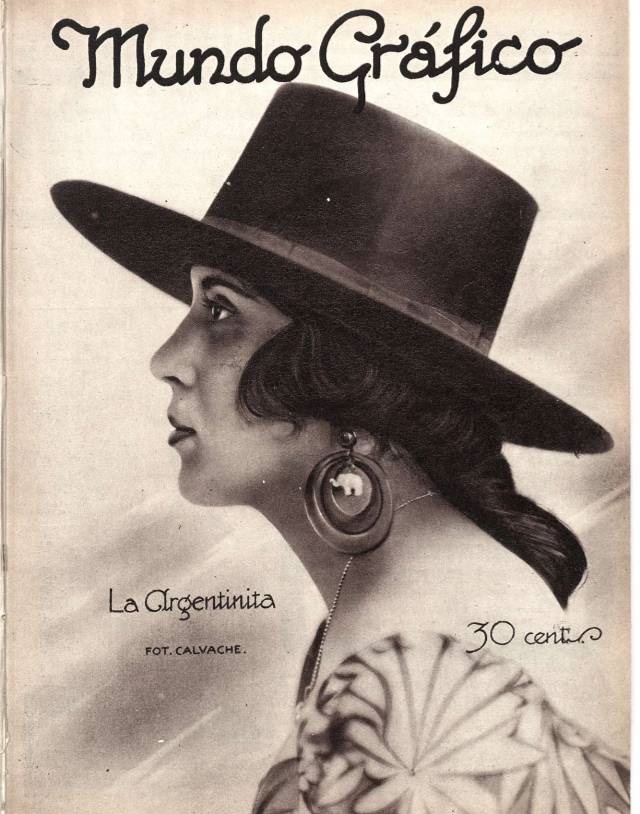
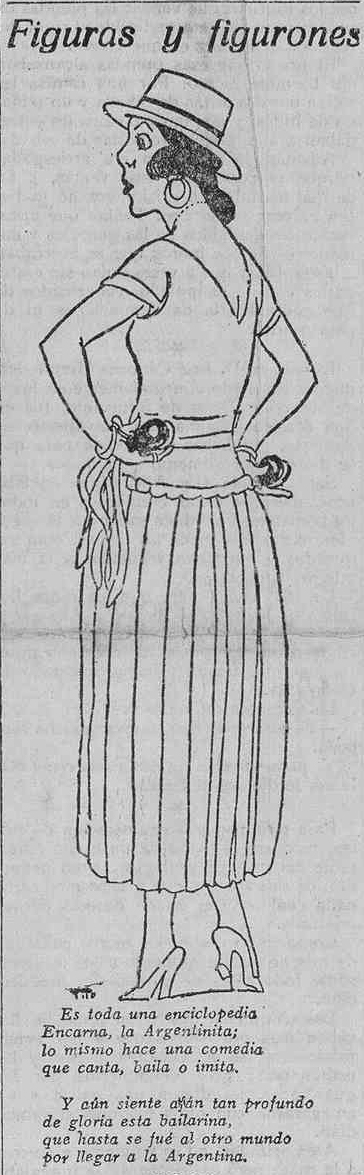
Frequently Asked Questions
Who is La Argentinita?
La Argentinita was the stage name of Encarnación López Júlvez, a Spanish-Argentine performer celebrated for her flamenco dance, choreography, and singing. Born in Buenos Aires in 1898, she rose to become one of the most revered figures in the early-twentieth-century flamenco world.
What was La Argentinita's connection to Federico García Lorca?
She was a close artistic collaborator and friend of the poet, and together they worked within the Generation of '27 circle. Lorca helped shape the literary and dramatic dimensions of her stage work, deepening the narrative quality of her flamenco performances.
What role did La Argentinita play in developing Ballet Español?
She was a driving force behind elevating flamenco from a folk tradition into a refined theatrical discipline called Ballet Español. Her choreographic vision and collaborations with composers and playwrights helped codify the form as a legitimate stage art.
How and where did La Argentinita die?
She died on September 24, 1945, in New York, United States, at the age of forty-seven. Her passing came during an active period of international touring, ending a career many felt still had its greatest chapters ahead.
Why is La Argentinita considered so important in flamenco history?
She is widely regarded as one of the supreme artistic expressions of flamenco in her era, bridging the dance's folk roots with high-art theatrical presentation. Her partnership with Lorca and her choreographic innovations continue to influence how flamenco is staged and understood today.
More in Dancers And Choreographers 1-24
Elsewhere in the Dancers And Choreographers universe
Spotted an error? Know more?
This is a living reference — every entry is fact-audited, and reader corrections feed straight into our audit queue. Suggest an edit · See this site's audit record