Marie Taglioni
Romantic-era ballerina credited with pioneering en pointe dance.

Scan by NYPL · Public domain
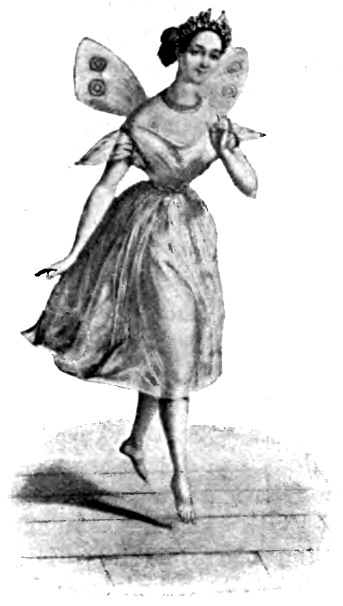
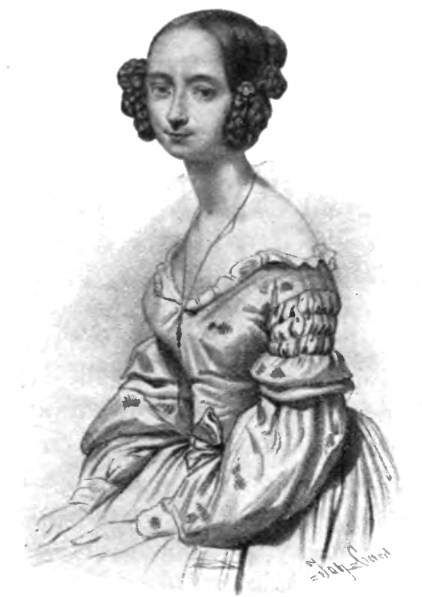
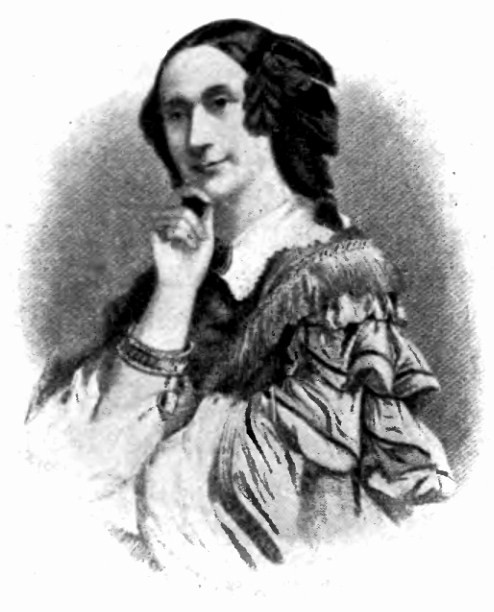
Marie Taglioni, Comtesse de Voisins (23 April 1804 – 22 April 1884) was a Swedish-born ballet dancer of the Romantic ballet era partially of Italian descent, a central figure in the history of European dance. She spent most of her life in the Austrian Empire and France. She was one of the most celebrated ballerinas of the romantic ballet, which was cultivated primarily at Her Majesty's Theatre in London and at the Théâtre de l'Académie Royale de Musique of the Paris Opera Ballet. She is credited with (though not confirmed as) being the first ballerina to truly dance en pointe.
- born
- 23 April 1804, Stockholm, Sweden
- died
- 22 April 1884, Marseille, France
- nationality
- Swedish-born, partially Italian descent
- known_for
- Romantic ballet; first ballerina to truly dance en pointe (unconfirmed); role in
Verified Timeline
Lore & Background
Taglioni was born in Stockholm, Sweden, to the Italian choreographer Filippo Taglioni and the Swedish ballet dancer Sophie Karsten, maternal granddaughter of the Swedish opera singer Christoffer Christian Karsten and of the Polish opera singer and actress Sophie Stebnowska. Her brother, Paul (1808–1884), was also a dancer and an influential choreographer; they performed together early in their careers. She moved to Vienna with her family at a very young age where she began her ballet training under the direction of Jean-Francois Coulon and her father. After Filippo was appointed the ballet master at the court opera in Vienna, her father created a rigorous six-month training regimen for his daughter where she would hold positions for 100 counts. The training was conducted daily and consisted of two hours in the morning with difficult exercises focusing on her legs and two hours in the afternoon focusing on adagio movements. In Vienna, Marie danced her first ballet choreographed by her father titled 'La Reception d'une Jeune Nymphe à la Cour de Terpsichore'. Before joining the Paris Opéra, Taglioni danced in both Munich and Stuttgart, and at age 23 debuted in another ballet choreographed by her father called 'La Sicilien' that jump-started her ballet career. Taglioni rose to fame as a danseuse at the Paris Opéra when her father created the ballet La Sylphide (1832) for her. Designed as a showcase for Taglioni's talent, it was the first ballet where dancing en pointe had an aesthetic rationale and was not merely an acrobatic stunt, often involving ungraceful arm movements and exertions, as had been the approach of dancers in the late 1820s.
Reader's Guide
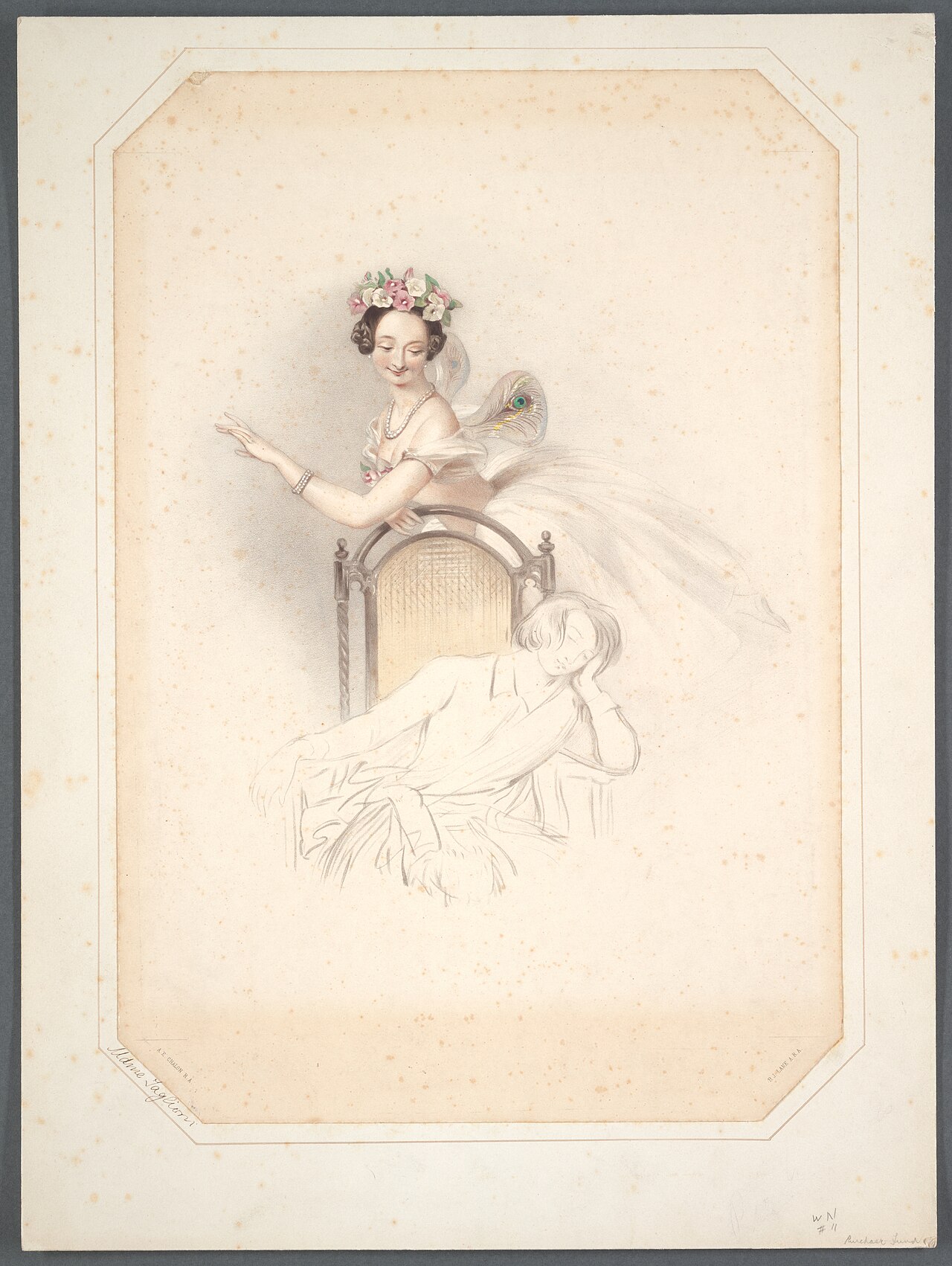
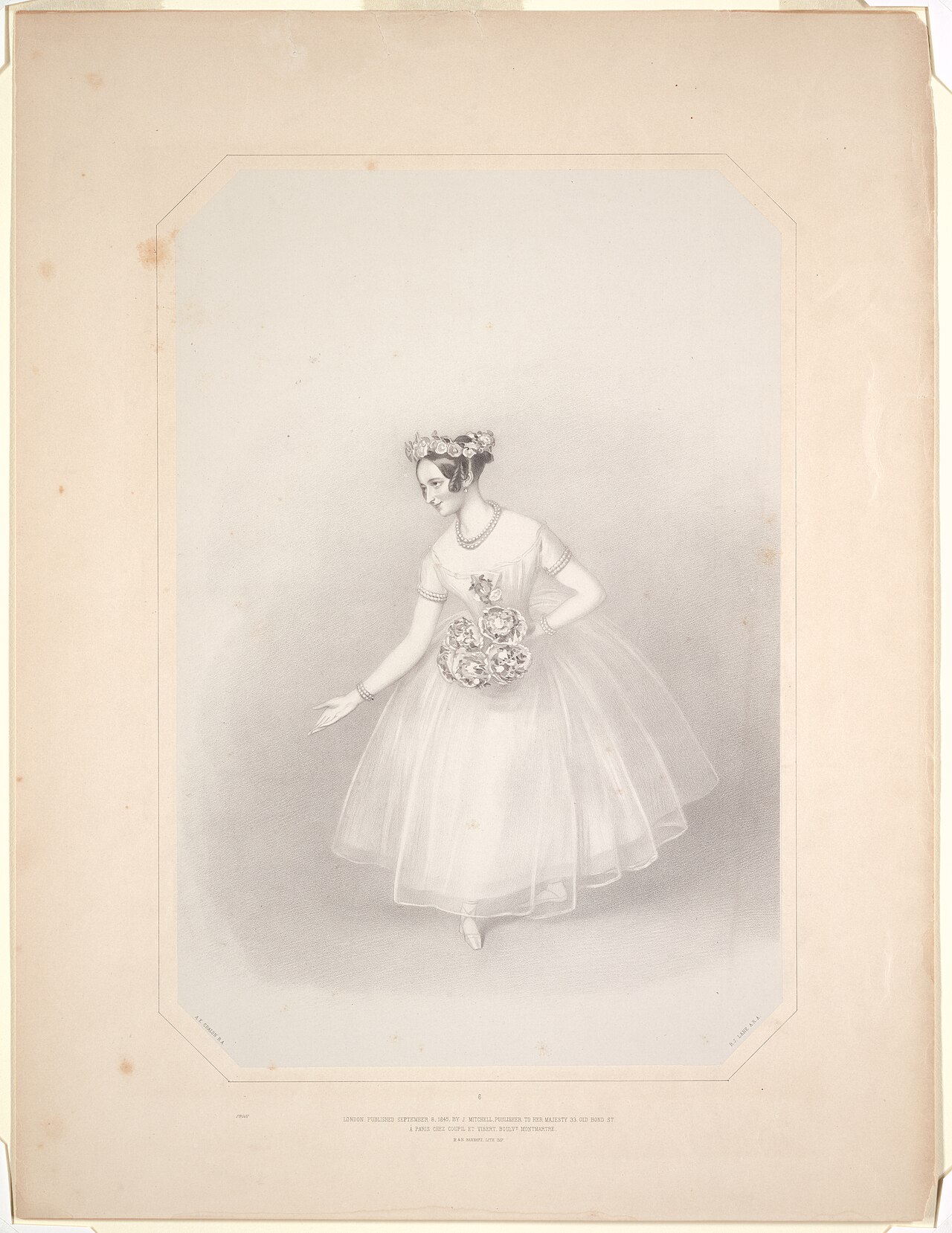
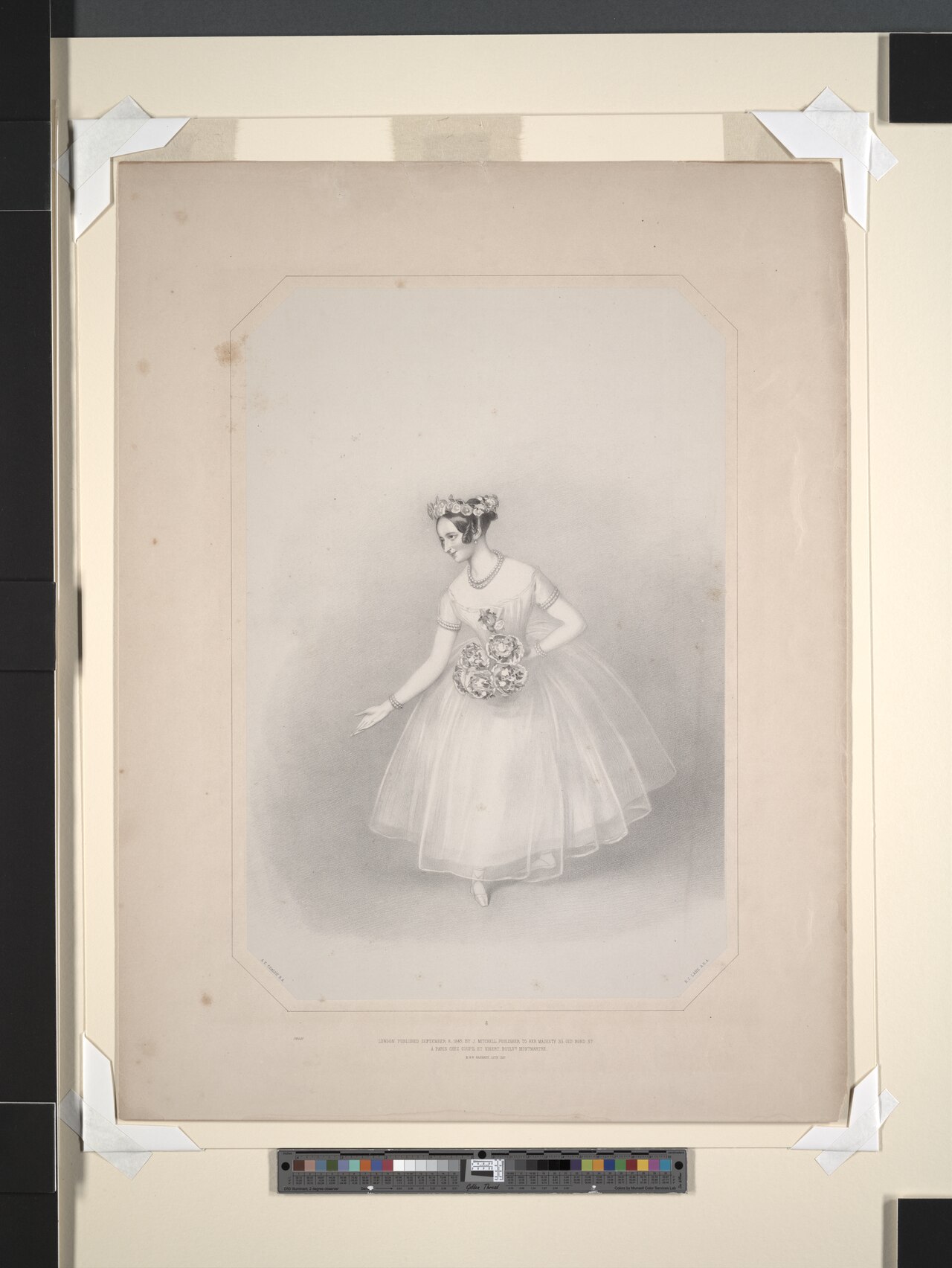
Taglioni was married to Comte Auguste Gilbert de Voisins in 1835, but separated in 1836. She later fell in love with Eugene Desmares, a loyal fan, who had defended her honour in a duel. Desmares and Taglioni gave birth to an (illegitimate) child in 1836. Three years later Desmares died in a hunting accident. In 1842 she gave birth to her second child. It is unknown who the father is even though the birth certificate states the father as Gilbert de Voisins. Taglioni's children's names were Count Georges Philippe Marie Gilbert de Voisins and Eugenie-Marie (Edwige) Gilbert de Voisins. In 1837 Taglioni left the Ballet of Her Majesty's Theatre to take up a three-year contract in Saint Petersburg with the Imperial Ballet. It was in Russia after her last performance in the country (1842) and at the height of the 'cult of the ballerina', that a pair of her pointe shoes were sold for two hundred rubles, reportedly to be cooked, served with a sauce and eaten by a group of balletomanes. In July 1845, she danced with Lucile Grahn, Carlotta Grisi, and Fanny Cerrito in Jules Perrot's Pas de Quatre, a ballet representing Taglioni's ethereal qualities that was based on Alfred Edward Chalon's lithographic prints. Pas de Quatre was originally choreographed to be presented to Queen Victoria, who attended the third performance. Taglioni retired from performing in 1847; for a time she took up residence at the Ca' d'Oro on the Grand Canal in Venice. Her only choreographic work was Le papillon (1860) for her student Emma Livry, who is remembered for dying in 1863 when her costume was set alight by a gas lamp used for stage lighting. Later in England, she taught social dance and ballroom to children and society ladies in London; she also took a limited number of ballet pupils. She resided at #14 Connaught Square, London from 1875 to 1876. Taglioni died poor in Marseille on 22 April 1884, the day before her 80th birthday. Her body was moved to Paris. There is some debate over whether she is buried in Montmartre or in Père Lachaise, or if the Montmartre site belongs to her mother. The local dancers began leaving their worn pointe shoes on the Montmartre grave as a tribute and thanks to the first pointe dancer.
Did You Know?
- Taglioni's father created a rigorous six-month training regimen for her where she would hold positions for 100 counts, with two hours of exercises in the morning and two hours of adagio movements in the afternoon.
- A pair of her pointe shoes were sold for two hundred rubles in Russia, reportedly to be cooked, served with a sauce and eaten by a group of balletomanes.
- Her only choreographic work was Le papillon (1860) for her student Emma Livry, who died in 1863 when her costume was set alight by a gas lamp used for stage lighting.
- Taglioni died poor in Marseille on 22 April 1884, the day before her 80th birthday, and local dancers began leaving their worn pointe shoes on the Montmartre grave as a tribute.
- Johann Strauss II composed the 'Marie Taglioni Polka' (Op. 173) in honour of Marie Taglioni's niece, Marie 'Paul' Taglioni, also known as 'Marie the Younger'.
Career & Defining Achievements
Marie Taglioni's rise to the pinnacle of European dance unfolded across several cities before reaching its zenith in Paris. After early engagements in Munich and Stuttgart, she broke through at twenty-three in her father Filippo's choreography of La Sicilien, which propelled her career. Her true transformation arrived in 1832 at the Paris Opéra, where her father staged La Sylphide as a vehicle for her artistry. This work marked a watershed: for the first time, dancing en pointe served a genuine aesthetic purpose within the narrative rather than functioning as a mere acrobatic flourish with awkward arm gestures, as was typical in the late 1820s. In 1837 she left Her Majesty's Theatre in London for a three-year engagement with the Imperial Ballet in Saint Petersburg, where the 'cult of the ballerina' peaked. By 1842, a pair of her worn pointe shoes fetched two hundred rubles from devoted balletomanes who reportedly cooked and consumed them. Her career culminated in July 1845 with Jules Perrot's Pas de Quatre, inspired by Alfred Edward Chalon's lithographs, pairing her ethereal presence with Lucile Grahn, Carlotta Grisi, and Fanny Cerrito. Queen Victoria attended the third performance. Taglioni retired from the stage in 1847.
Training & Overcoming Physical Limitations
Born in Stockholm in 1804 to Italian choreographer Filippo Taglioni and Swedish dancer Sophie Karsten, Marie entered the world into a family steeped in performance. Her maternal grandparents were the Swedish opera singer Christoffer Christian Karsten and the Polish singer-actress Sophie Stebnowska. She had a brother, Paul, who would also become a dancer and choreographer. The family relocated to Vienna when Marie was very young, where she began training under Jean-Francois Coulon and her father. When Filippo was appointed ballet master at the Viennese court opera, a decision was made that Marie would debut in the Habsburg capital. However, her technique fell short of what Viennese audiences expected. Filippo responded by designing a grueling six-month regimen: holding positions for one hundred counts, two morning hours of demanding leg exercises, and two afternoon hours of adagio work to refine her poses. Marie struggled with a rounded back that caused her to lean forward and slightly distorted proportions. Rather than pursuing bravura tricks or pirouettes, she focused on expanding her range of motion, building strength, and perfecting her visible shape. Her first Viennese ballet, La Reception d'une Jeune Nymphe à la Cour de Terpsichore, was choreographed by her father.
Legacy & Impact on Ballet
Though she is widely credited—albeit without full historical confirmation—as the first ballerina to dance en pointe in a truly artistic sense, Taglioni's influence extended far beyond that single technical milestone. After retiring in 1847, she took residence at the Ca' d'Oro on Venice's Grand Canal before returning to the world of dance in an administrative capacity. When the Paris Opéra's ballet company was reorganized along stricter professional lines, she became its driving force. In April 1860, she sat on a six-member select jury for the first annual corps de ballet competition, alongside Lucien Petipa, director of the new Conservatoire de danse, and his former pupil Louis Mérante. Her sole choreographic work, Le papillon (1860), was created for her student Emma Livry, a dancer who tragically died in 1863 when her costume caught fire from a gas lamp used for stage lighting. In later years in London, Taglioni taught social dance and ballroom to children and society ladies while accepting a limited number of ballet pupils, residing at 14 Connaught Square from 1875 to 1876. To this day, local dancers leave worn pointe shoes at what is believed to be her Montmartre grave as a tribute to the first pointe dancer.
Personal Life & Final Years
Taglioni's private life was marked by both passion and loss. She married Comte Auguste Gilbert de Voisins in 1835 but separated the following year. Her heart belonged instead to Eugene Desmares, a devoted admirer who had defended her honor in a duel. They had an illegitimate child in 1836, but Desmares was killed in a hunting accident three years later. In 1842 she gave birth to a second child; the father's identity remains unknown, though the birth certificate lists Gilbert de Voisins. Her children were Count Georges Philippe Marie Gilbert de Voisins and Eugenie-Marie (Edwige) Gilbert de Voisins. Georges married Sozonga Ralli, heiress of the wealthy Greek-born Ralli family, while Eugenie wed Russian Prince Alexander Trubetskoy, with whom she had five children and split her time between a villa on Lake Como and a Paris residence. A granddaughter, Princess Sophia Trubetskoy, married into the prominent Greek-born Recanati banking family. Despite her fame, Taglioni died in poverty in Marseille on 22 April 1884, the day before her eightieth birthday. Her body was transferred to Paris, and debate persists over whether she rests in Montmartre or Père Lachaise, with some suggesting the Montmartre site actually belongs to her mother.
Gallery
Frequently Asked Questions
Who is Marie Taglioni?
Marie Taglioni was a Swedish-born prima ballerina of the Romantic era (1804–1884) who became the defining star of European ballet in the 1830s. She spent the bulk of her career performing in the Austrian Empire and France.
What is Marie Taglioni most famous for?
She is widely credited—though not definitively confirmed—as the first ballerina to dance sustained en pointe. Her ethereal portrayal in La Sylphide became the iconic image of Romantic ballet.
Where was Marie Taglioni born and where did she die?
She was born in Stockholm, Sweden, on 23 April 1804, and died in Marseille, France, on 22 April 1884.
What was Marie Taglioni's signature role?
La Sylphide, in which she played a supernatural spirit, is the role most associated with her name and helped cement the romantic ballerina archetype in dance history.
Why is Marie Taglioni considered important in dance history?
She helped establish the Romantic ballet aesthetic and is regarded as a pivotal figure in the evolution of classical technique, particularly in advancing pointe work as a core element of the art form.
More in Dancers And Choreographers 1-24
Elsewhere in the Dancers And Choreographers universe
Spotted an error? Know more?
This is a living reference — every entry is fact-audited, and reader corrections feed straight into our audit queue. Suggest an edit · See this site's audit record