La Goulue
French can-can dancer and star of the Moulin Rouge.

Valerie McGlinchey · CC BY-SA 2.0 uk
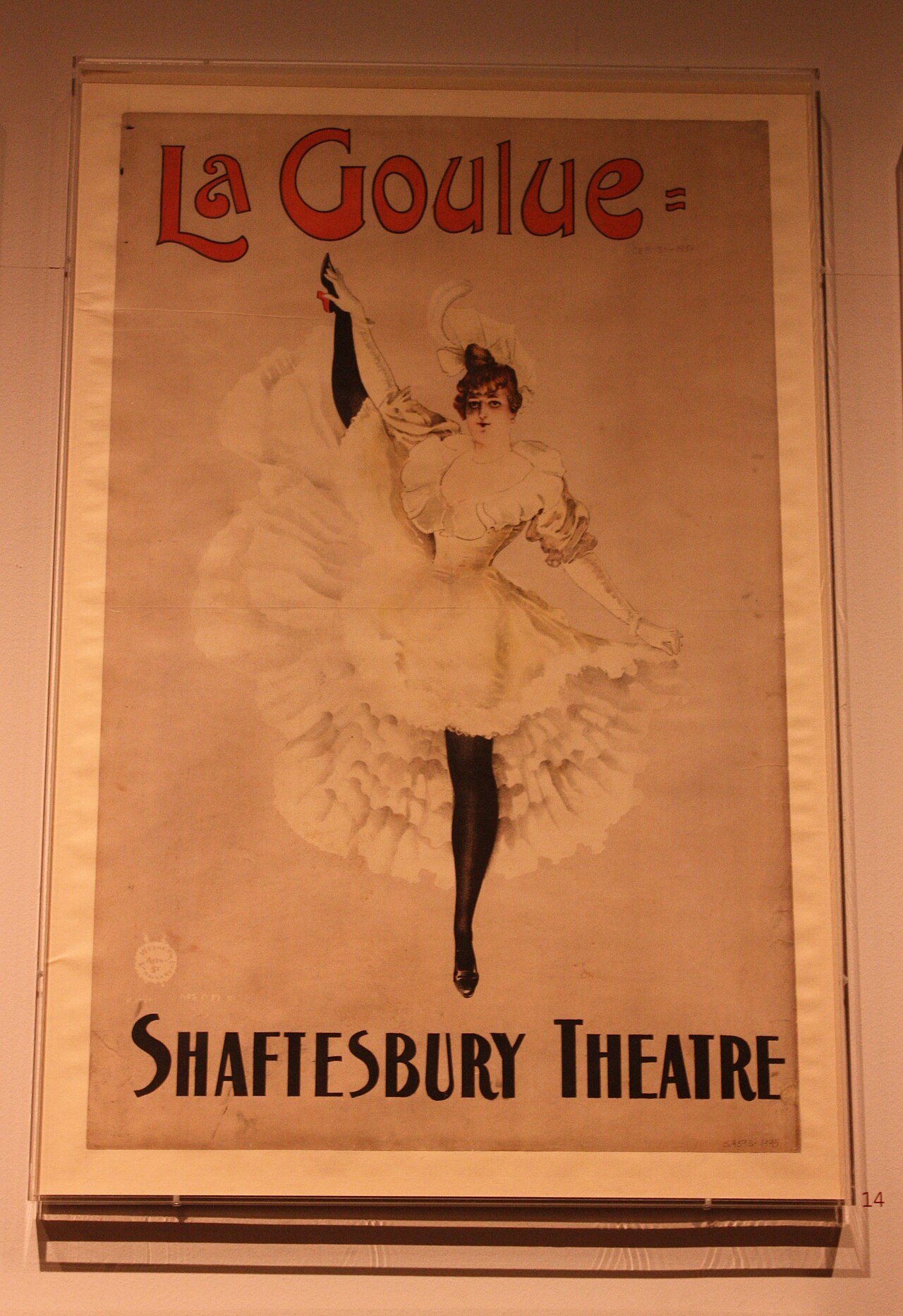
La Goulue (French pronunciation: [la guly], meaning The Glutton) was the stage name of Louise Weber (12 July 1866 – 29 January 1929), a French can-can dancer who was a star of the Moulin Rouge, a popular cabaret in the Pigalle district of Paris, near Montmartre. Weber became known as La Goulue because as an adolescent, she was known for guzzling cabaret patrons' drinks while dancing. She also was referred to as the Queen of Montmartre.
- born
- 12 July 1866
- died
- 29 January 1929
- field
- Dancer
- nationality
- French
- known_for
- Can-can dancer at the Moulin Rouge; subject of Henri de Toulouse-Lautrec's art
Verified Timeline
Lore & Background
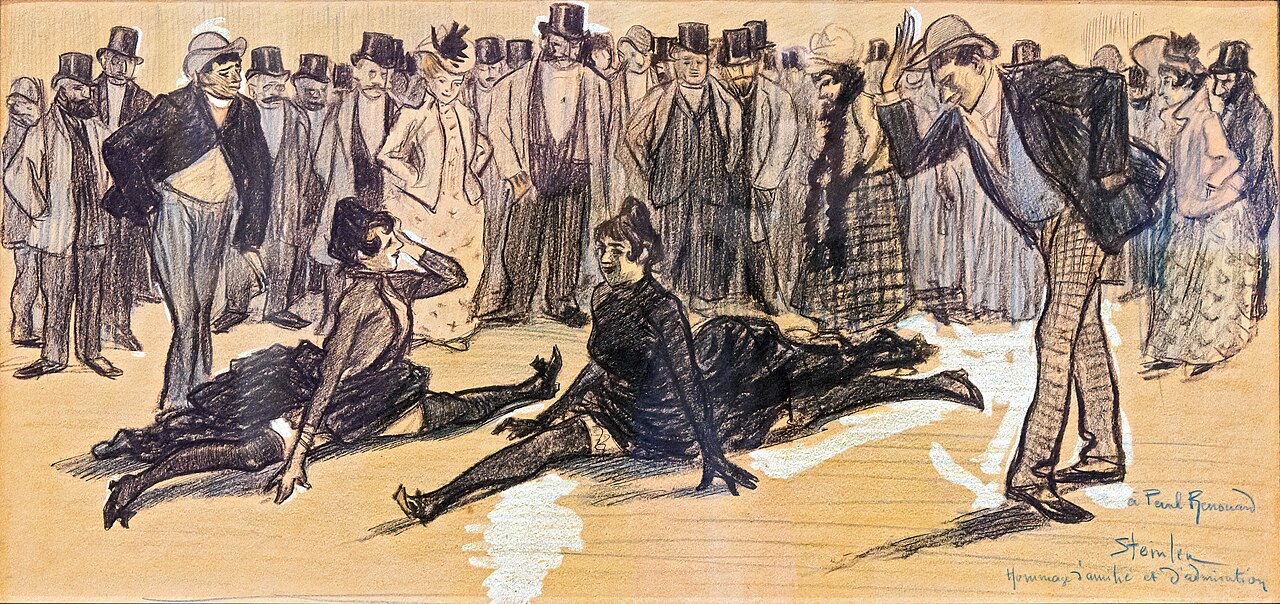
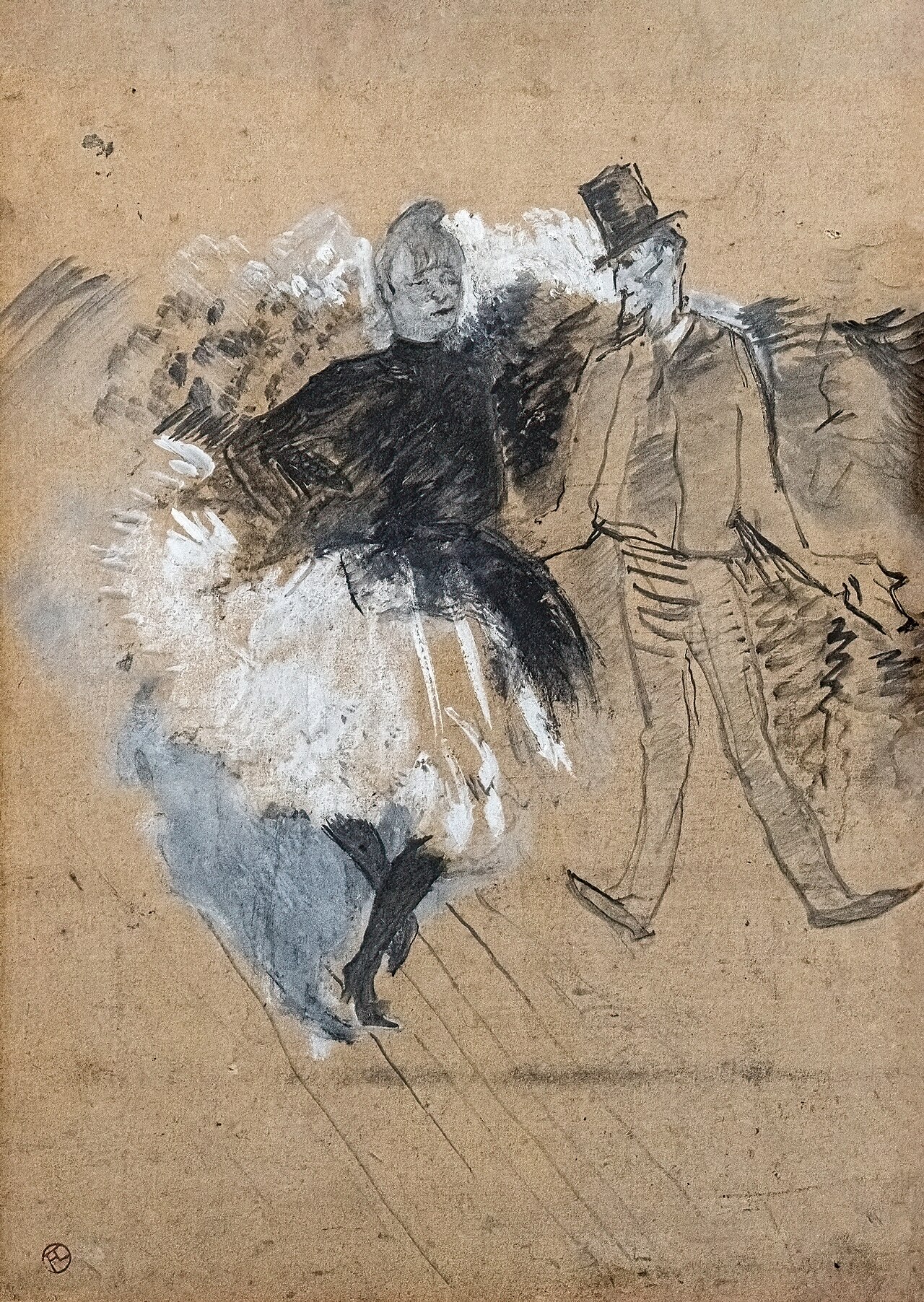
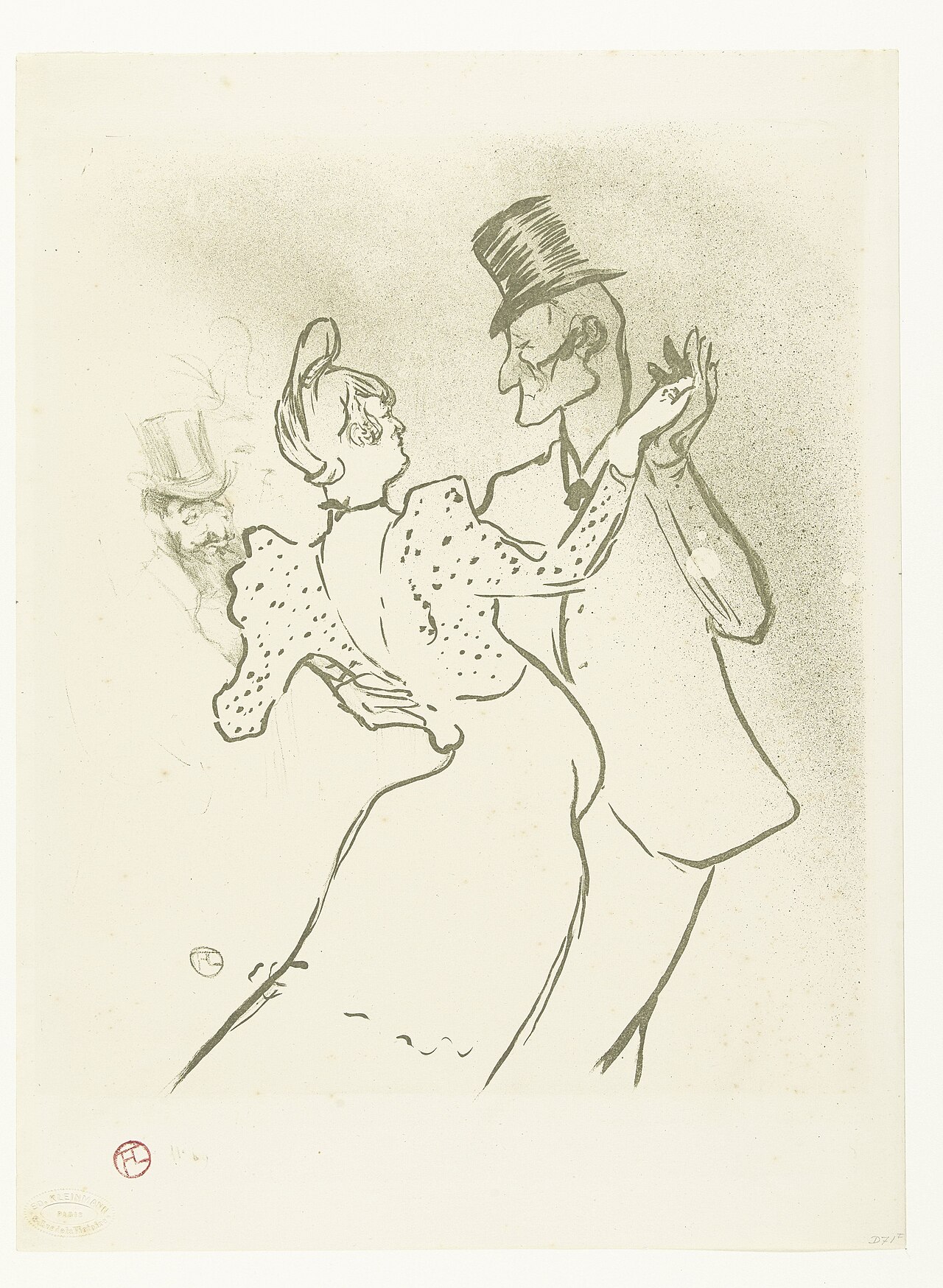
Very little is known about her early childhood, but it is believed that Louise Weber was born into a Jewish family from Alsace that eventually moved to Clichy, Hauts-de-Seine, near Paris. Her mother worked in a laundry. As an impoverished young girl who loved to dance, Weber is said to have enjoyed dressing up in laundry customers' expensive clothing and pretending to be a glamorous star on a great stage. At age 16, she was working with her mother in the laundry, but behind her mother's back began sneaking off to a dance hall dressed in a customer's 'borrowed' dress. Dancing at small clubs around Paris, Weber quickly became a popular personality, liked for both her dancing skills and her charming, audacious behavior. In her routine, she would tease the male audience by swirling her raised dress to reveal the heart embroidered on her knickers and would do a high kick while flipping off a man's hat with her toe. Because of her frequent habit of picking up a customer's glass and quickly downing its contents while dancing past his table, she was affectionately nicknamed La Goulue (The Glutton). Eventually she met the Montmartre painter Pierre-Auguste Renoir, who introduced her to a group of models who earned extra money posing for the community's artists and photographers. Achille Delmaet, husband of Marie Juliette Louvet, would later find fame as the photographer who had taken many nude photographs of La Goulue. Louise Weber was taken under the wing of Jacques Renaudin (1843–1907), a wine merchant who danced in his spare time under the stage name Valentin le Désossé. They danced at the Moulin Rouge in Montmartre when it first opened, performing an early form of the cancan known as the chahut. The two were instant stars. Booked as a permanent headliner, La Goulue became synonymous with the can-can and the Moulin Rouge nightclub. The toast of Paris and the highest paid entertainer of her day, she became one of the favorite subjects for Henri de Toulouse-Lautrec, immortalized by his portraits and posters of her dancing at the Moulin Rouge. Her best friend was La Môme Fromage (The Cheesy Girl), another famous cancan dancer at the Moulin Rouge. They were so close that people called them sisters.
Reader's Guide
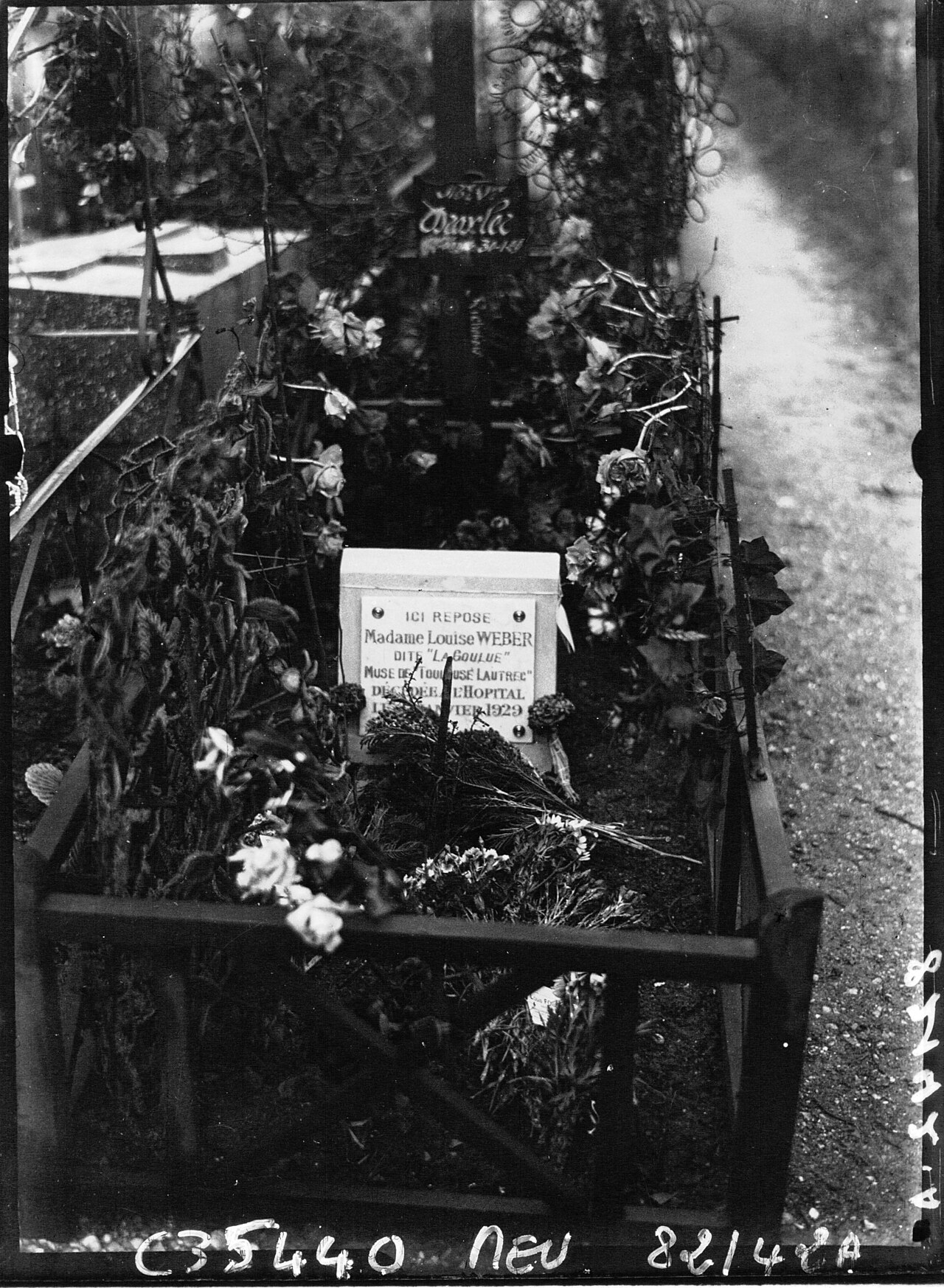
La Goulue's significance lies in her role as a defining figure of the Moulin Rouge and the cancan dance, which became emblematic of Parisian nightlife in the late 19th century. She was the highest-paid entertainer of her day and a favorite subject of Henri de Toulouse-Lautrec, whose posters and portraits helped cement her image in popular culture. Her career illustrates the rise and fall of a celebrity: after achieving fame and fortune, she decided to part company with the Moulin Rouge in 1895 and strike out on her own. She invested a considerable amount of money into a show that travelled the country as part of a large fair; but her fans who had lined up to buy tickets at the Moulin Rouge did not take to the new setting, and her business venture turned into a dismal failure. Following the closure of her show, La Goulue disappeared from the public eye. Suffering from depression, she drank heavily and dissipated the small fortune she had accrued while dancing. Alcoholic and destitute, La Goulue returned to Montmartre in 1928. She eked out a living selling peanuts, cigarettes, and matches on a street corner near the Moulin Rouge; few recognized the severely overweight and haggard former Queen of Montmartre. She died a year later at age 62 in the 10th arrondissement of Paris and was buried in the Cimetière de Pantin in the Paris suburb of Pantin, but later her remains were transferred to the Cimetière de Montmartre. Her story has been referenced in paintings, ballets, novels, and films, including Georges Seurat's 1889/90 painting 'Le Chahut,' Henri de Toulouse-Lautrec's 1891 poster 'Moulin Rouge: La Goulue,' Ninette de Valois's 1934 ballet 'Bar aux Folies-Bergère,' Pierre La Mure's 1950 novel 'Moulin Rouge,' John Huston's 1952 film 'Moulin Rouge,' and Jean Renoir's 1955 film 'French Cancan.'
Did You Know?
- La Goulue's stage name means 'The Glutton' because as an adolescent she was known for guzzling cabaret patrons' drinks while dancing.
- She was also referred to as the Queen of Montmartre.
- Her best friend was La Môme Fromage (The Cheesy Girl), another famous cancan dancer at the Moulin Rouge; they were so close that people called them sisters.
- After leaving the Moulin Rouge in 1895, she invested in a traveling show that failed, leading to her decline into alcoholism and poverty.
- By 1928, she was selling peanuts, cigarettes, and matches on a street corner near the Moulin Rouge, unrecognizable as the former star.
From the Laundry to the Stage
Louise Weber was born on 12 July 1866 into a Jewish family originally from Alsace, and the household eventually settled in Clichy, in the Hauts-de-Seine department just outside Paris. Her mother found work in a laundry, and young Louise grew up in poverty with a deep love of dance. She reportedly delighted in trying on the expensive garments of the laundry's customers, imagining herself as a glamorous performer on a grand stage. By the age of sixteen, she was working alongside her mother in the laundry, yet she secretly slipped away to a dance hall, wearing a "borrowed" dress belonging to a customer, all without her mother's knowledge. This quiet rebellion against a life of drudgery set the trajectory for everything that followed. The girl who dreamed in other people's clothes would soon become one of the most recognizable figures in Parisian entertainment, a transformation that began in the back rooms of a working-class neighborhood and carried her straight into the spotlight of Montmartre.
The Glutton Takes Paris
Weber's early days as a dancer in small Parisian clubs revealed a performer who combined genuine athletic skill with a mischievous, confrontational charm. Her signature routine involved swirling her lifted dress to flash a heart stitched onto her knickers, and executing a high kick that sent a man's hat tumbling off his head with her toe. But the habit that would define her public identity was far simpler: she would grab a patron's glass as she danced past his table and drain it in one go. This repeated, unapologetic guzzling earned her the affectionate nickname La Goulue, The Glutton. Her reputation as a bold, entertaining personality spread quickly. A turning point came when the painter Pierre-Auguste Renoir introduced her to a circle of models who supplemented their income by posing for artists and photographers in the Montmartre community. Through these connections, Weber entered a world that would ultimately place her on the stage of the Moulin Rouge, where she would become the highest-paid entertainer of her era and the toast of all Paris.
Queen of Montmartre
When the Moulin Rouge opened its doors in the Pigalle district near Montmartre, Weber was already a rising name, but it was her partnership with Jacques Renaudin—a wine merchant who danced in his spare time under the stage name Valentin le Désossé—that made her a legend. Together they performed an early form of the can-can called the chahut, and the audience response was electric. Booked as a permanent headliner, La Goulue became virtually inseparable from the can-can and the nightclub itself. She was the highest-paid entertainer of her day, and her close friendship with fellow dancer La Môme Fromage was so tight that onlookers simply called the two women sisters. Her image was captured and amplified by Henri de Toulouse-Lautrec, whose portraits and posters of her dancing at the Moulin Rouge made her face a fixture of Parisian visual culture. She was also photographed in nude studies by Achille Delmaet, husband of Marie Juliette Louvet, further cementing her status as an icon of the era's bohemian world.
The Long Descent and Enduring Echo
In 1895, flush with fame and money, Weber left the Moulin Rouge to launch her own touring show as part of a large traveling fair. The gamble failed badly: the audiences who had packed the cabaret did not follow her into the fairground setting, and the venture collapsed. She vanished from public view, battling depression and heavy drinking, and slowly squandered the fortune she had built on stage. By 1928, alcoholic and destitute, she had returned to Montmartre and was selling peanuts, cigarettes, and matches on a street corner near the very nightclub that had made her famous. Few passersby recognized the severely overweight, haggard woman who had once been called the Queen of Montmartre. She died on 29 January 1929 in the 10th arrondissement at age sixty-two. Her remains were first interred in the Cimetière de Pantin before being transferred to the Cimetière de Montmartre. Yet her image outlived her: Toulouse-Lautrec's 1891 lithograph, Seurat's 1889/90 painting Le Chahut, a 1934 ballet choreographed by Ninette de Valois, and films from 1952 and 1955 all kept her dancing in the cultural imagination long after her final curtain.
Gallery

Frequently Asked Questions
Who is La Goulue?
La Goulue was the stage name of Louise Weber, a French can-can dancer who rose to fame at the Moulin Rouge cabaret in Paris during the late 19th century.
What does the name 'La Goulue' mean?
The French phrase translates to 'The Glutton,' and it became her performing identity as she captivated audiences with her energetic can-can routines at the Moulin Rouge.
What was La Goulue's role in Parisian entertainment?
She served as the headline can-can dancer at the Moulin Rouge, earning the nickname 'Queen of Montmartre' and becoming one of the most highly compensated performers of her era.
How is La Goulue connected to Toulouse-Lautrec?
The painter Henri de Toulouse-Lautrec featured her prominently in his posters and artwork, helping to cement her image as an iconic figure of Parisian nightlife.
Why is La Goulue still remembered today?
She remains a cultural symbol of the bohemian spirit of Montmartre, preserved through Toulouse-Lautrec's art and her lasting association with the legendary Moulin Rouge.
More in Dancers And Choreographers 1-24
Related in Dancers And Choreographers
Links follow this subject's own source article.
Elsewhere in the Dancers And Choreographers universe
Spotted an error? Know more?
This is a living reference — every entry is fact-audited, and reader corrections feed straight into our audit queue. Suggest an edit · See this site's audit record