Vladimir Vasiliev (dancer)
Russian ballet dancer and choreographer, Bolshoi principal and director.
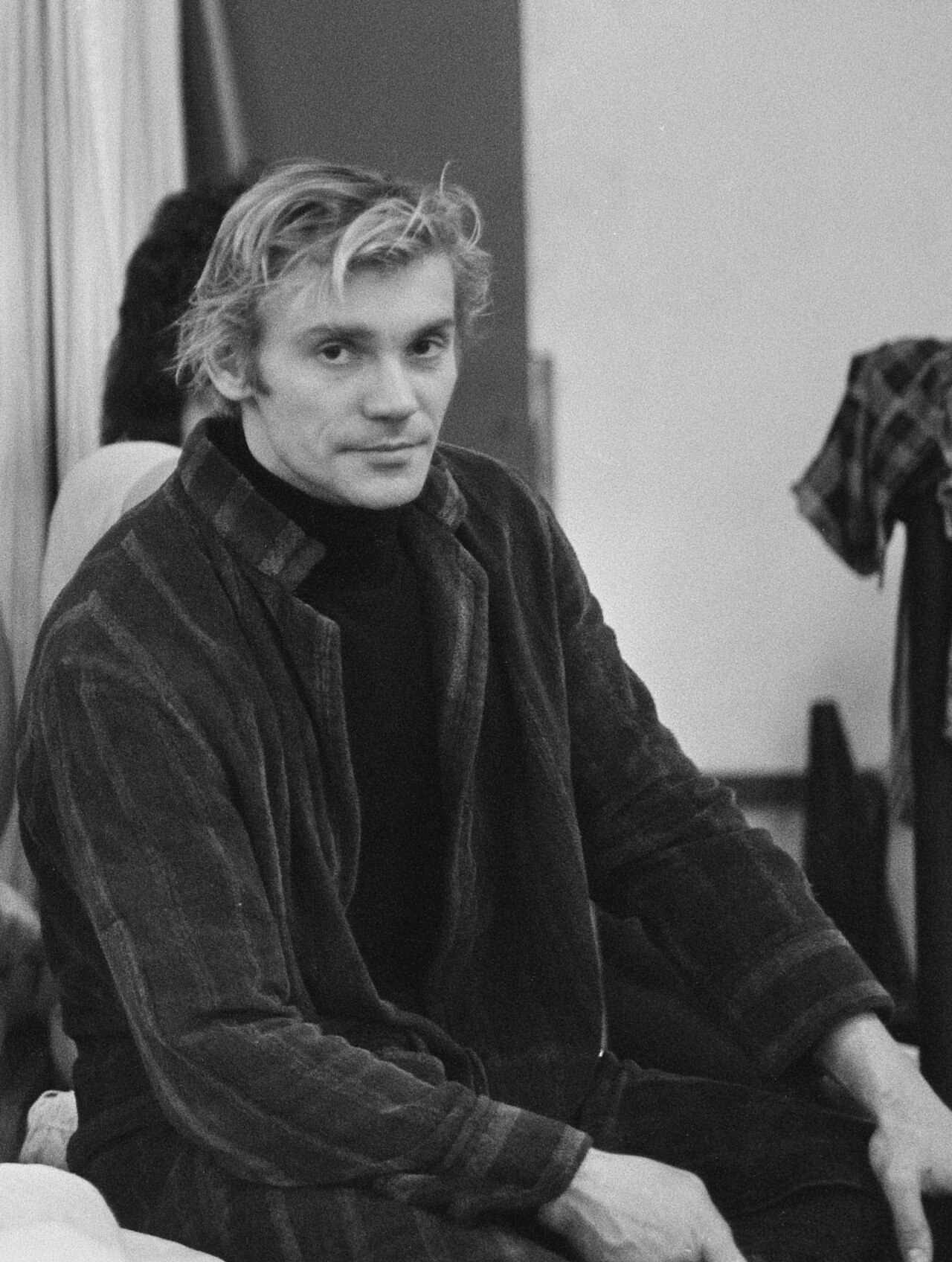
Vladimir Viktorovich Vasiliev, a Russian ballet dancer and choreographer, was born in Moscow on 18 April 1940 to a mechanical engineer. In 1947, he joined an amateur ballet group in a Kirov pioneer group, studying for two years under his first teacher, Elena Romanovna Rosse. He entered the Moscow Ballet School (the Bolshoi Ballet Academy) in 1949, graduating in 1958 after training with teachers including Aleksey Yermolayev.
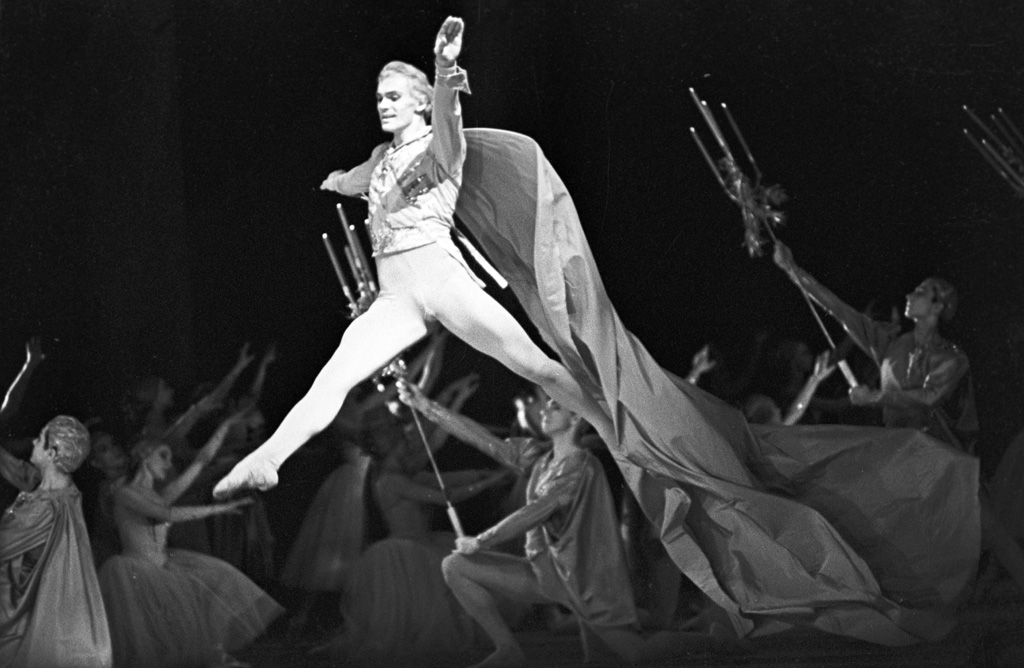
Vasiliev joined the Bolshoi Ballet in 1958 and became a principal dancer the following year. He received further guidance from ballet masters Alexei Yermolayev, Asaf Messerer, and later Galina Ulanova. He was best known for his role in *Spartacus* and for his powerful leaps and turns. He was named a People's Artist of the USSR in 1973.
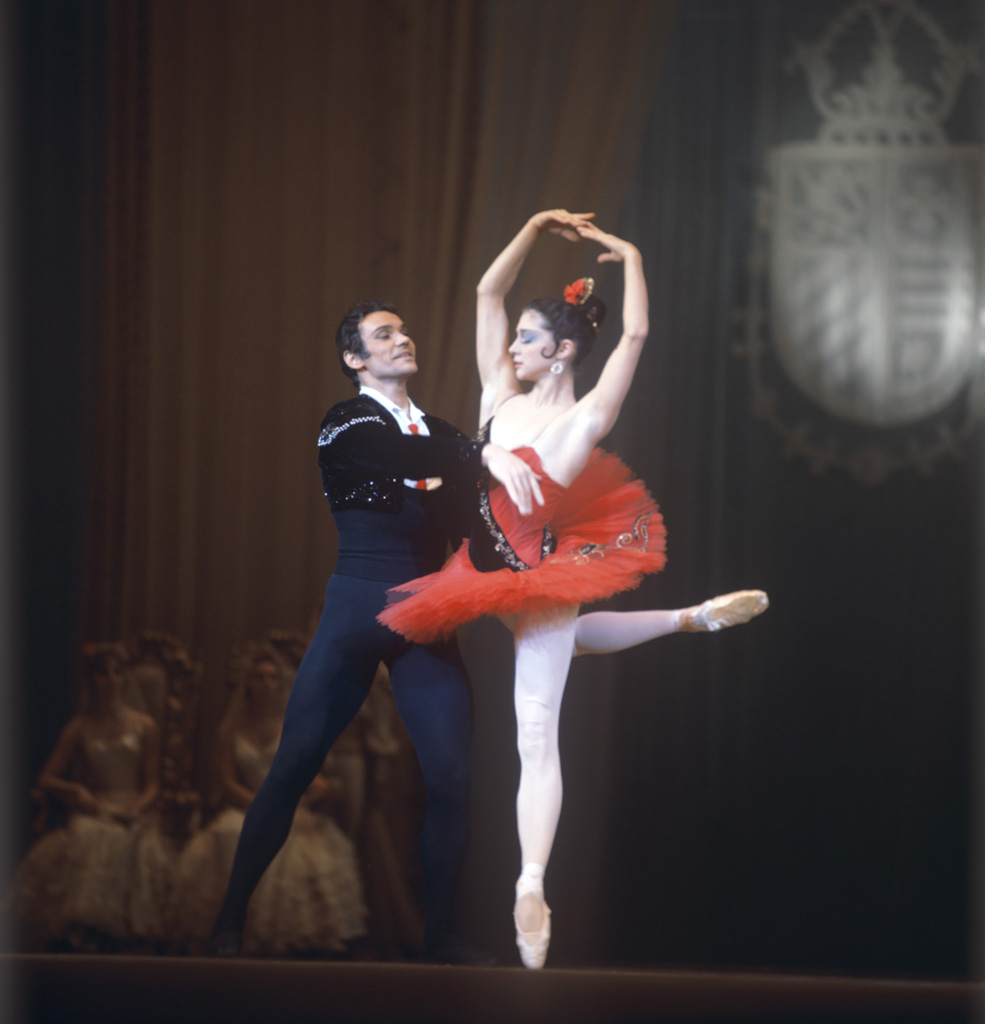
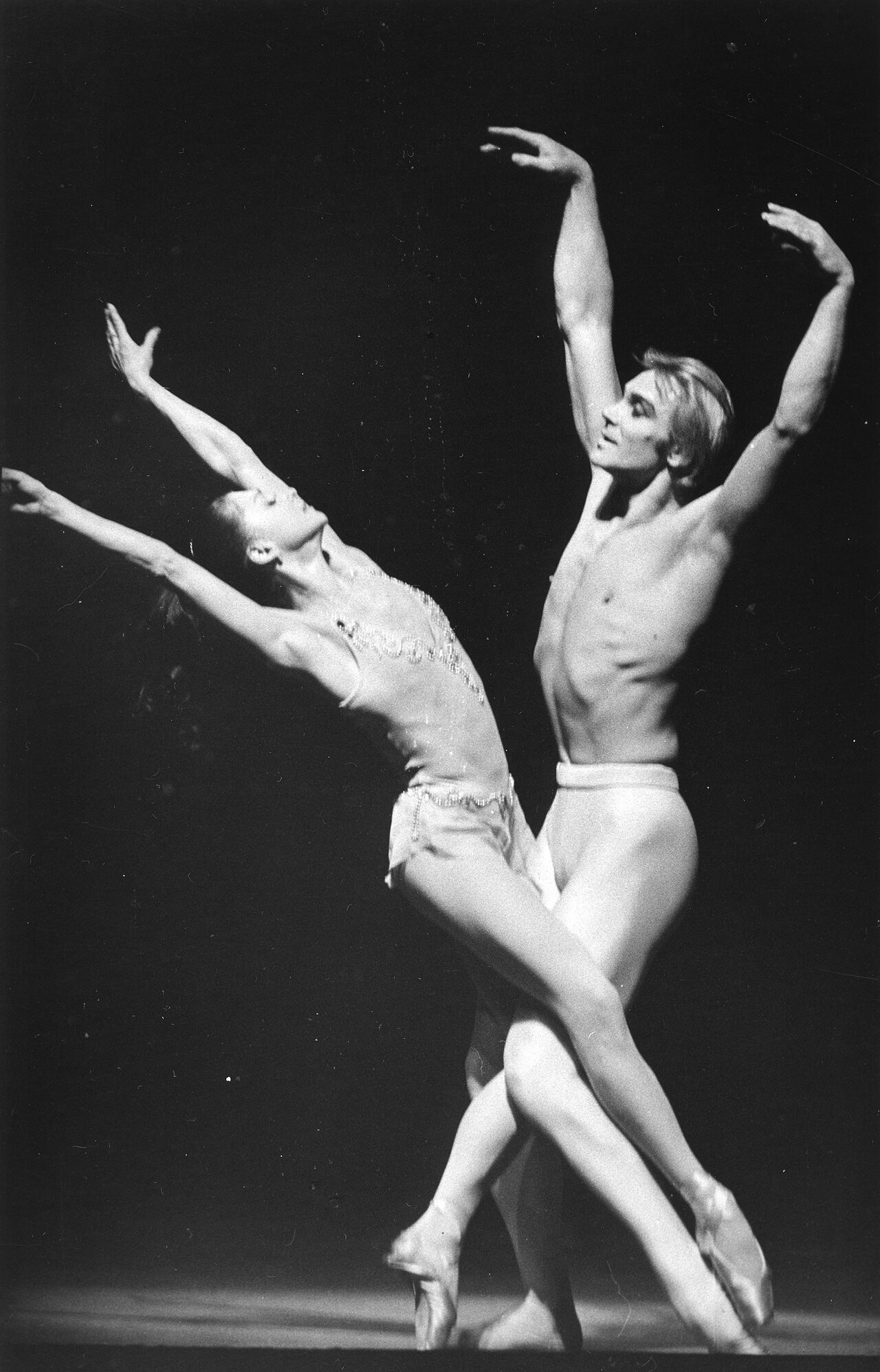
Vasiliev and his wife, Ekaterina Maximova, were regarded as the golden couple of Russian ballet. Mikhail Baryshnikov noted that Maximova’s elegance, beauty, and sincerity were treated as a “rare treasure” by Vasiliev, giving their performances an almost sacred quality. They appeared together in Franco Zeffirelli’s 1983 filmed version of Verdi’s *La traviata*, dancing in Spanish costume. French director Dominique Delouche made a 1988 film portrait of them, *Katia et Volodia*. In 2008, the Bolshoi held a week-long festival marking their 50 years on its stage. Vasiliev said the secret of partnering was that “the man must not get in the way of the woman,” and that his wife’s beauty and hard work inspired him. Their marriage lasted nearly 50 years, until Maximova’s death in 2009; they had no children.
In March 1995, Vasiliev was appointed general and artistic director of the Bolshoi Theatre after Yury Grigorovich was dismissed by President Boris Yeltsin. Major projects included a large-scale exchange between the Bolshoi and Mariinsky Ballet companies in 1998, an exchange with the Paris Opera Ballet, the first New Year Ball at the Bolshoi on 31 December 1999, and founding the International Club of the Bolshoi Friends. He recognized Svetlana Zakharova’s qualities in the late 1990s, and she became a Bolshoi principal dancer in October 2003. Vasiliev was dismissed on 28 August 2000, learning of it from the radio.
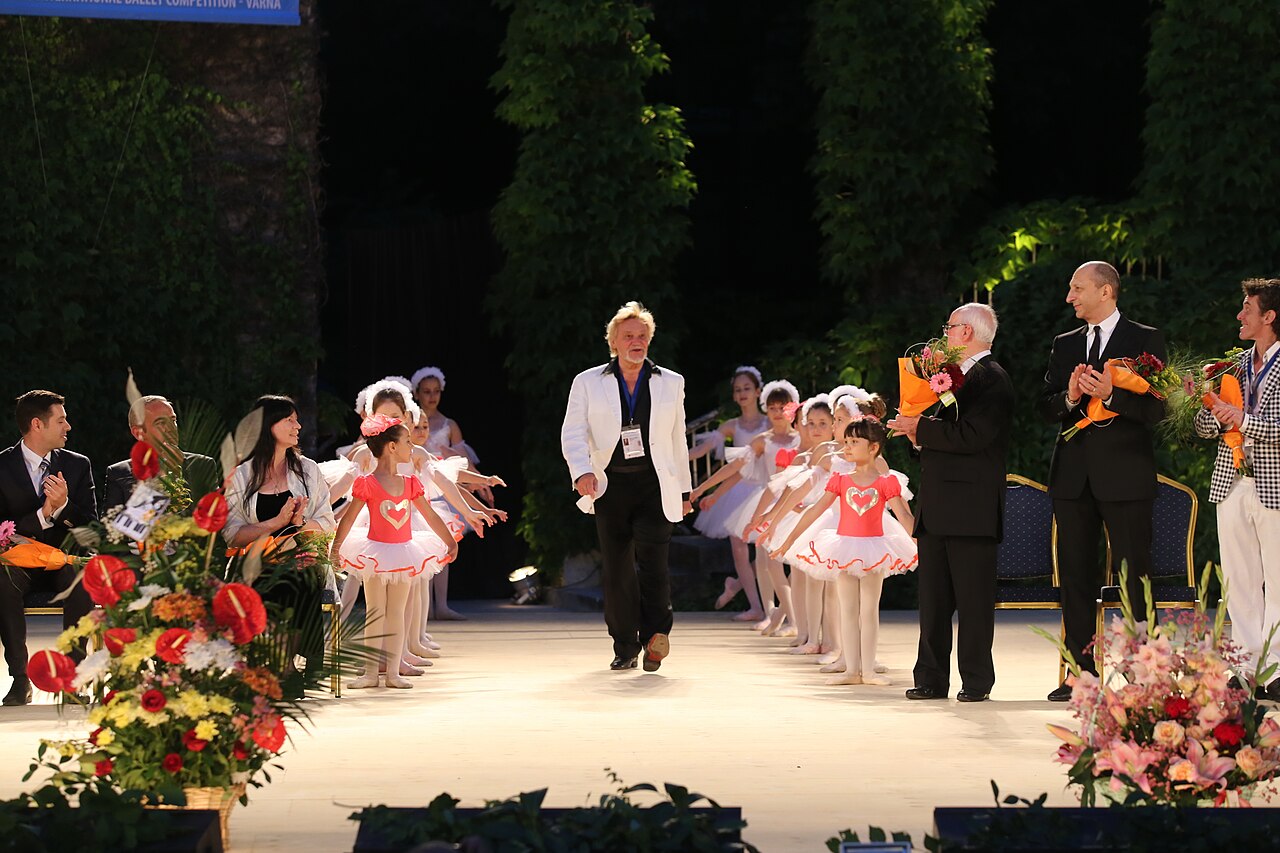
After leaving the Bolshoi, he worked as a choreographer and stage director, staging productions in Russia and abroad, including with the Teatro dell’Opera di Roma. He also served as a teacher, jury member, and artistic advisor.
Vasiliev is less known in the West than Rudolf Nureyev or Mikhail Baryshnikov because he remained in the Soviet Union. Nonetheless, his classical dancing is considered on their level. Dancer Mathias Heymann cited Vasiliev as an inspiration alongside Nureyev and Baryshnikov. Critic and choreographer Fyodor Lopukhov called Vasiliev “God of the dance” and “a miracle in art, perfection.”
Many roles were created for Vasiliev, often partnering his wife. Notable works include Yury Grigorovich’s original productions of *The Tale of the Stone Flower*, *Spartacus*, *The Nutcracker*, *Ivan the Terrible*, Valery Gavrilin’s *Anyuta* (1982), and Yakov Eshpai’s *Angara* (1976). His partners included Galina Ulanova, Maya Plisetskaya, Alicia Alonso, Carla Fracci, Rita Poelvoorde, and Ambra Vallo. Though his body showed great physical strength, he did not have the ideal classical dancer’s form. He contributed greatly to male classical dance, embodying the strong new Bolshoi male. In the 1988 film, he said: “At the beginning we do things only as we have seen them done. Afterwards, we do them with what we find inside ourselves.”
Vasiliev was the first dancer awarded “La médaille d’or du meilleur danseur du monde” (The Gold Medal of the World’s Best Dancer).
- field
- Ballet dancer, choreographer
- nationality
- Russian
Lore & Background
Vladimir Vasiliev was a principal dancer with the Bolshoi Ballet, renowned for his powerful leaps and turns, particularly in the role of Spartacus. He was named "God of the dance" by a prominent Russian ballet critic and is regarded as a classical dancer on the same level as Rudolf Nureyev, Erik Bruhn, and Mikhail Baryshnikov. Despite his physical strength, his body did not fit the ideal classical dancer's form. He made significant contributions to the development of male classical dance, embodying the strong new Bolshoi male style. Many roles were created for him, notably by choreographer Yury Grigorovich, including principal parts in productions such as *Spartacus*, *The Nutcracker*, and *Ivan the Terrible*. He often performed worldwide partnering his wife, Ekaterina Maximova, with whom he formed the golden couple of Russian ballet. His famous partners also included Galina Ulanova, Maya Plisetskaya, and Alicia Alonso. Vasiliev served as the Bolshoi's general and artistic director from 1995 to 2000, overseeing major exchanges with the Mariinsky and Paris Opera Ballet companies. He was the first dancer to receive the Gold Medal of the World's Best Dancer. His marriage to Maximova lasted nearly 50 years until her death in 2009; they had no children.
Reader's Guide
Vladimir Vasiliev is not as well known in the west as other iconic male dancers such as Rudolf Nureyev and Mikhail Baryshnikov, because he remained in the Soviet Union and did most of his work there. Nevertheless, his work as a classical dancer is regarded on the same level as both Nureyev and Baryshnikov. Russia's influential ballet critic and choreographer Fyodor Lopukhov called Vasiliev 'God of the dance' and 'A miracle in art, perfection.' He made enormous contributions to the development of classical male dance, embodying the strong new Bolshoi male. His legacy includes numerous roles created for him by Yury Grigorovich, and he continues to work as a choreographer and teacher.
Did You Know?
- Vasiliev was hailed as 'God of the dance' by a French critic or journalist.
- He and his wife Ekaterina Maximova were the golden couple of Russian ballet.
- He learned of his dismissal as Bolshoi director from hearing it on the radio.
- He is widely regarded as one of the greatest male dancers of the 20th century.
Rise to the Bolshoi Stage
Born in Moscow in 1940 to a mechanical engineer, Vladimir Vasiliev first encountered ballet at age seven in the amateur group attached to the Kirov pioneer collective, where Elena Rosse served as his initial instructor. Two years of that early training laid the groundwork for a career that would reshape expectations for male classical dancers. In 1949 he entered the Moscow Ballet School, the academy commonly known as the Bolshoi Ballet Academy, where Aleksey Yermolayev became a defining mentor. He graduated in 1958, joined the Bolshoi company that same year, and was elevated to principal dancer in 1959. Along the way he absorbed further guidance from Asaf Messerer and Galina Ulanova. Choreographer Yury Grigorovich crafted several landmark roles specifically for him, including the title part in Spartacus, the prince in The Nutcracker, and characters in The Tale of the Stone Flower and Ivan the Terrible. Vasiliev's signature qualities—explosive leaps, rapid turns, and raw physical power—distinguished him from more traditionally slender male dancers and helped define what was called the strong new Bolshoi male. His accolades include the People's Artist of the USSR title in 1973, the first-ever Gold Medal of the World's Best Dancer, and the sole Grand Prix at the Varna competition since 1964.
The Golden Couple
At the height of their careers, Vasiliev and his wife Ekaterina Maximova were widely regarded as the golden couple of Russian ballet. Mikhail Baryshnikov paid tribute to their partnership, noting that Maximova's elegant build, beauty, virtuosity, and above all her spontaneity and sincerity was treated like a rare treasure by the indomitable Vasiliev, giving their performances an almost sacred aura that audiences gratefully embraced. Their artistry reached global audiences through Franco Zeffirelli's 1983 filmed version of Verdi's La traviata, in which Vasiliev appeared as a matador in Spanish costume during the Act II divertissements. French director Dominique Delouche captured the couple in the 1988 film portrait Katia et Volodia. In 2008 the Bolshoi hosted a week-long festival marking their fiftieth anniversary on its stage, during which Vasiliev reflected that the secret of partnering was that the man must not get in the way of the woman, because she is the most important person on stage. He credited his wife as his lifelong inspiration for two qualities: her beauty and her capacity for hard work. Their marriage endured for nearly fifty years until Maximova's death in 2009; they had no children.
Leading the Bolshoi
In March 1995, following the dismissal of long-time artistic director Yury Grigorovich by President Boris Yeltsin, Vasiliev was appointed general and artistic director of the Bolshoi Theatre. His tenure, though brief, was marked by ambitious cultural initiatives: a large-scale exchange program between the Bolshoi and Mariinsky companies in 1998, a planned exchange with the Paris Opera Ballet, the inaugural New Year Ball at the Bolshoi on 31 December 1999, and the founding of the International Club of the Bolshoi Friends. Perhaps most significantly, Vasiliev was among the first directors to recognize the extraordinary talent of Svetlana Zakharova, then a principal at the Mariinsky, and she would join the Bolshoi as a principal dancer in October 2003. His tenure ended abruptly on 28 August 2000 when he was dismissed; he learned of the decision by hearing it announced on the radio. After leaving the director's chair, Vasiliev continued to shape the ballet world as a choreographer and stage director, creating new productions for companies including the Teatro dell'Opera di Roma, while also serving as a teacher, jury member, and artistic advisor across Russia and abroad.
A God of Dance
Despite never leaving the Soviet Union for the kind of international stardom that propelled Rudolf Nureyev and Mikhail Baryshnikov into Western consciousness, Vasiliev's standing among classical dancers is considered equal to both. Russia's influential critic and choreographer Fyodor Lopukhov bestowed on him the epithet God of the dance and called his work a miracle in art, perfection. Even young dancers on the other side of the Iron Curtain cite him as a touchstone: Mathias Heymann, promoted to principal at the Paris Opera Ballet in 2009 at just twenty-two, named Vasiliev alongside Nureyev and Baryshnikov as his sources of inspiration. What set Vasiliev apart was a body that revealed great physical strength rather than the slender ideal typically associated with classical male dancers, and his enormous contributions to the evolution of that role. In the closing moments of the 1988 film Katia et Volodia, he offered a philosophy that encapsulated his artistic journey: at the beginning we do things only as we have seen them done, but afterwards we do them with what we find inside ourselves.
Gallery
Frequently Asked Questions
What role is Vladimir Vasiliev most famous for?
He is best remembered for his portrayal of Spartacus, a part that highlighted his signature powerful leaps and turns. That performance became his defining contribution to the classical ballet repertoire.
How do fans and critics compare Vladimir Vasiliev to other legendary dancers?
He is routinely grouped alongside Rudolf Nureyev, Erik Bruhn, and Mikhail Baryshnikov as one of the towering classical dancers of his generation. A French critic went so far as to call him the 'God of the dance' in recognition of his artistry.
More in Dancers And Choreographers 1-24
Spotted an error? Know more?
This is a living reference — every entry is fact-audited, and reader corrections feed straight into our audit queue. Suggest an edit · See this site's audit record